


If you’ve ever dreamed of making homemade, authentic Italian cannoli at home, this is the recipe for you! I’ll walk you through exactly how to make cannoli shells from scratch, fry them to golden perfection, and fill them with a rich, creamy filling made from real ricotta cheese. My recipe is surprisingly approachable, even if you’ve never deep-fried before. And the results are truly incredible!

Easy Cannoli Recipe with Homemade Shells and Filling
I used to be intimidated by making cannoli, but once I tried this method, I never looked back. My easy cannoli recipe starts with a food processor dough. I enrich it with Marsala wine, which helps create light, flaky shells with just the right crispness. The real star, though, is the filling: a luscious blend of sweetened, strained ricotta cheese and a touch of orange zest. It’s simple, but it captures everything I love about traditional ricotta cannoli from my favorite Italian bakery.

Email this Recipe
Enter your email and we’ll send the recipe directly to you!
By submitting this form, you consent to receive emails from Easy Dessert Recipes.
Drain the Ricotta
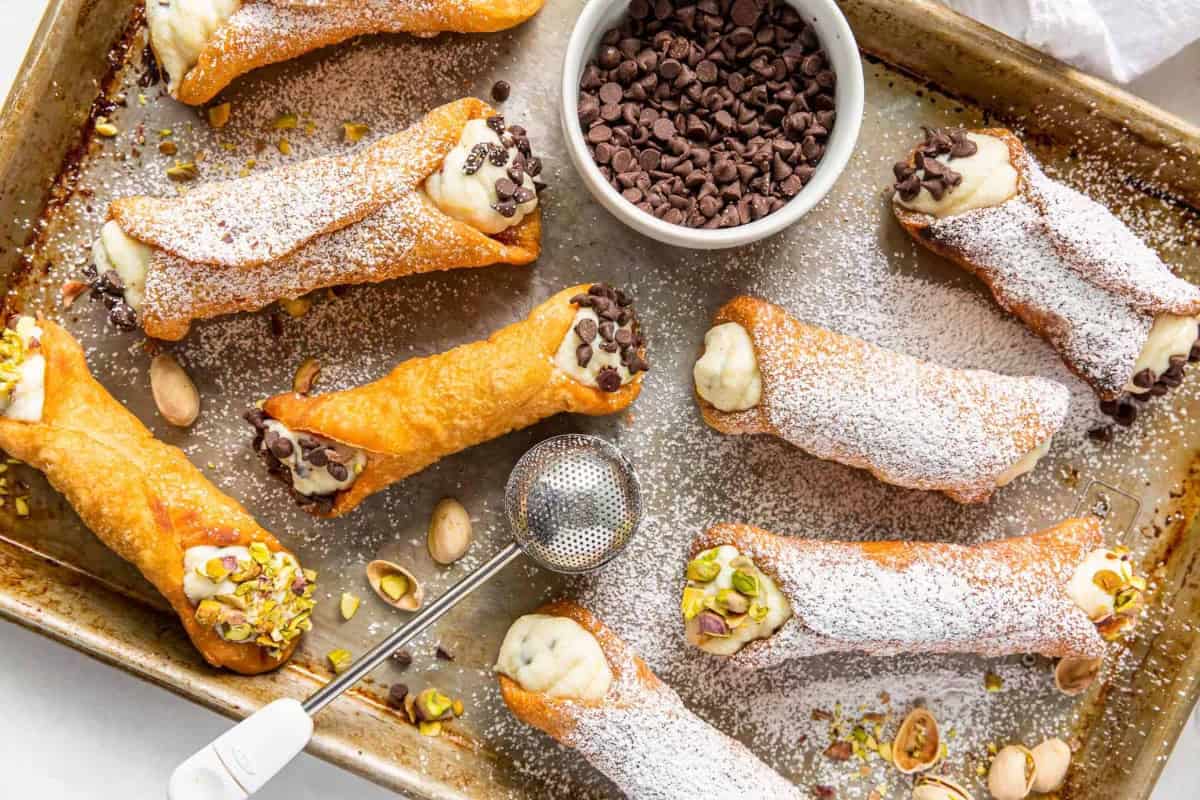
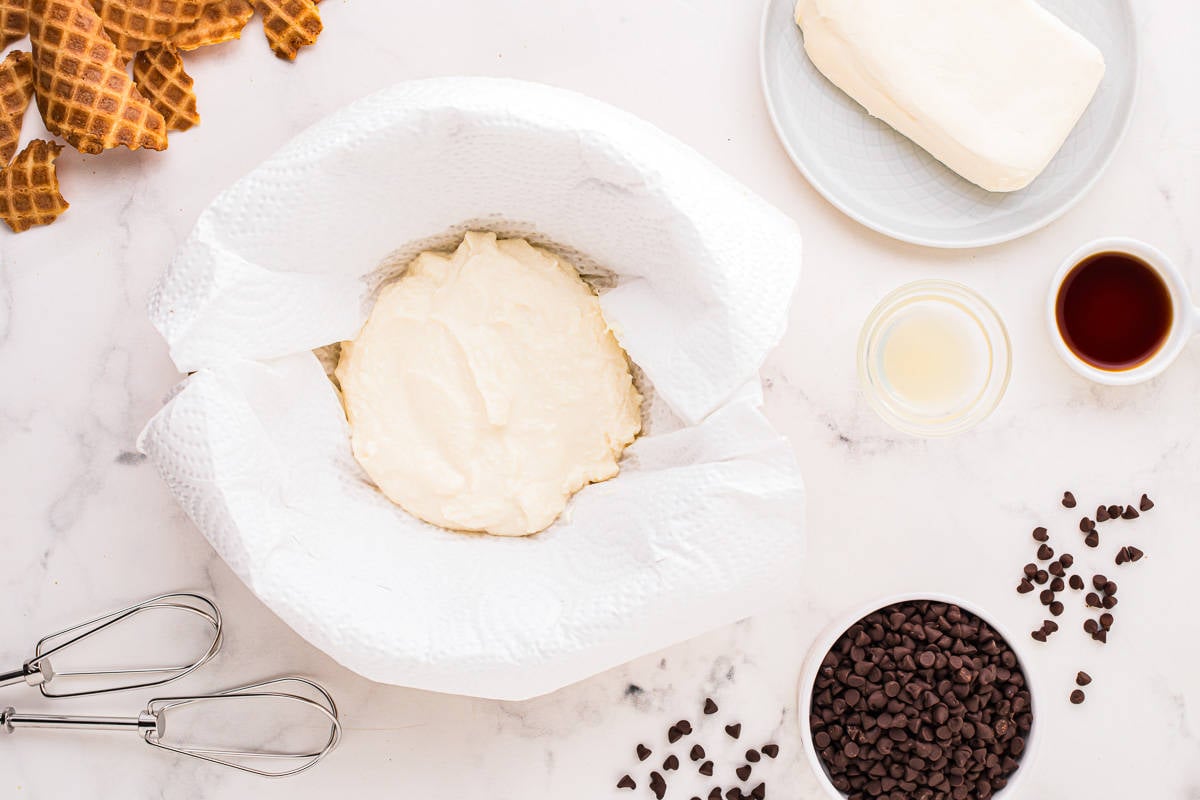
To make the best cannoli filling, properly draining your ricotta is key. I always wrap it in cheesecloth and place it over a bowl in the fridge for at least 6–8 hours, or overnight. This step removes excess moisture, which helps your filling stay thick, creamy, and easy to pipe. Even an hour of draining can make a big difference, so don’t skip this step! It’s the secret to achieving bakery-style homemade cannoli every time.


Homemade Cannoli Recipe
Equipment
- Kitchen Scale (optional)
- Fine-Mesh Sieve
- Food Processor
- Dutch Oven
- Deep Frying Thermometer
- Baking Sheet
- Rolling Pin
- Cannoli Molds
- Piping Tip Set (optional)
Ingredients
For the Filling
- 2 cups whole milk ricotta cheese
- 1 cup powdered sugar
- 1 teaspoon finely grated orange zest optional
- ½ teaspoon ground cinnamon
- ½ cup mini chocolate chips plus more for garnish
- Chopped pistachios for garnish (optional)
For the Shells
- 1½ cups all-purpose flour plus more for dusting
- 1½ tablespoons granulated sugar
- ½ teaspoon ground cinnamon
- ¼ teaspoon kosher salt
- 2 tablespoons unsalted butter cut into small pieces (¼ stick)
- ¼ cup marsala wine chilled*
- 1 large egg lightly beaten
- 1 large egg white
- Vegetable oil for frying
Instructions
For the Shells
- Line a fine-mesh strainer with cheesecloth or a coffee filter and set it over a bowl. Pour the ricotta into the strainer, refrigerate, and let drain for at least 1 hour or overnight.2 cups whole milk ricotta cheese

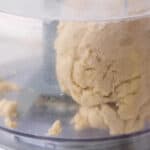
- Place the flour, sugar, cinnamon, and salt in a food processor. Pulse to combine.½ teaspoon ground cinnamon, 1½ cups all-purpose flour, 1½ tablespoons granulated sugar, ¼ teaspoon kosher salt
- Add the butter and pulse until the mixture resembles small pebbles.2 tablespoons unsalted butter
- Add the wine and egg and pulse until you achieve a shaggy dough, adding more wine, 1 tablespoon at a time, if necessary.¼ cup marsala wine, 1 large egg
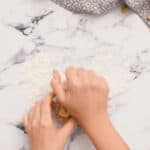
- Transfer the dough to a floured surface and knead until smooth, then form into a ball.
- Place the dough in an oiled bowl and cover, allowing it to rest for 1-2 hours.
For the Filling
- Meanwhile, make the cannoli filling. Place the drained ricotta, powdered sugar, orange zest (if using), and cinnamon in a large bowl and gently mix with a rubber spatula until well combined.2 cups whole milk ricotta cheese, 1 cup powdered sugar, 1 teaspoon finely grated orange zest, ½ teaspoon ground cinnamon, ½ cup mini chocolate chips
- Add the mini chocolate chips and mix to evenly distribute. Refrigerate until ready to use.

Frying and Assembly
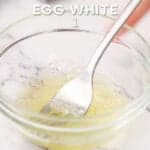
- Place the vegetable oil in a large, heavy pot and heat over medium-high heat until 350°F. Meanwhile, place the egg white in a small bowl and lightly beat with a fork. Line a baking sheet with paper towels and fit a cooling rack over it.Vegetable oil, 1 large egg white
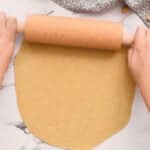
- Divide the dough into 2 pieces. Roll and cut 1 piece at a time, keeping the remaining dough covered so that it doesn’t dry out. Dust a work surface with flour, then use a rolling pin to roll the dough out until ⅛-inch thick. (Alternatively, you can use a pasta roller to roll the dough into a thin, even sheet, working from 1 to 5 on the machine’s dial.)
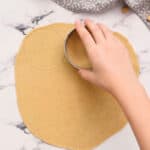
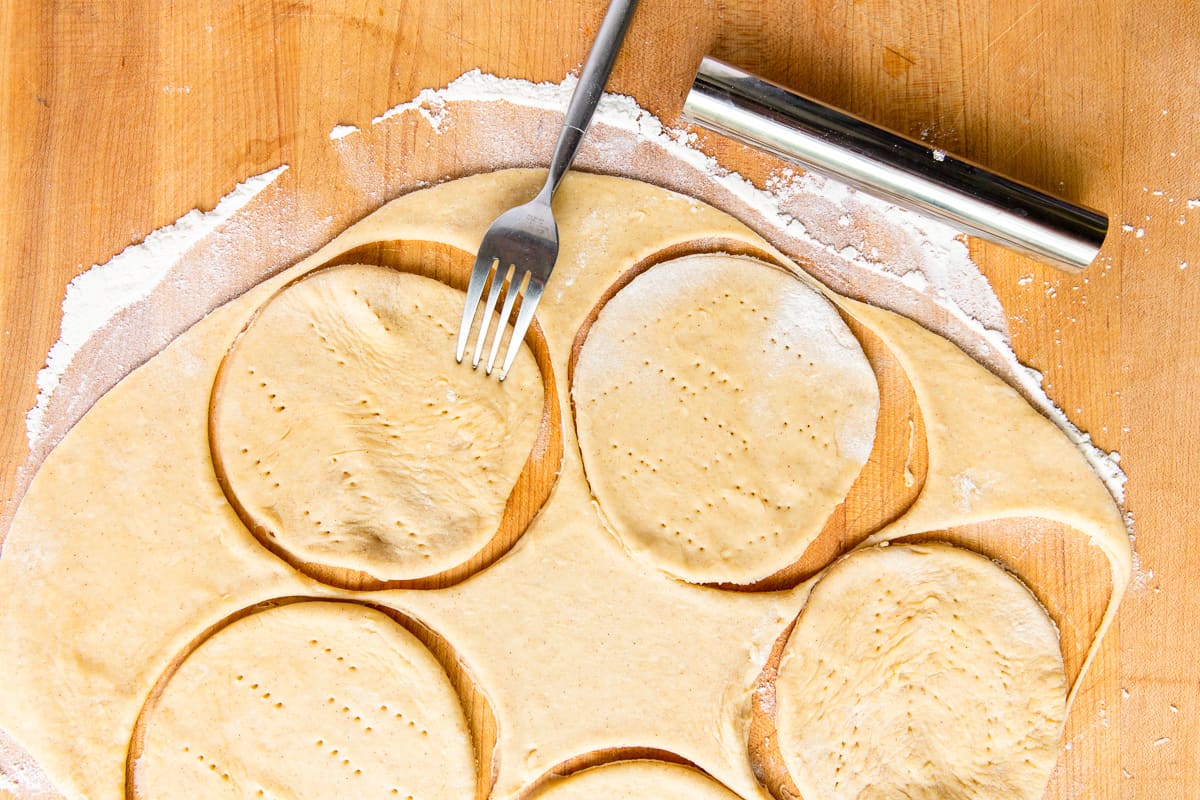
- Use a 4 to 5-inch round cookie cutter to cut rounds from the sheet of dough.
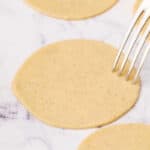
- Use a fork to “dock” and poke holes in each round on both sides (this prevents large bubbles that will slip the dough off the cannoli molds).
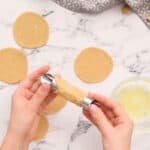
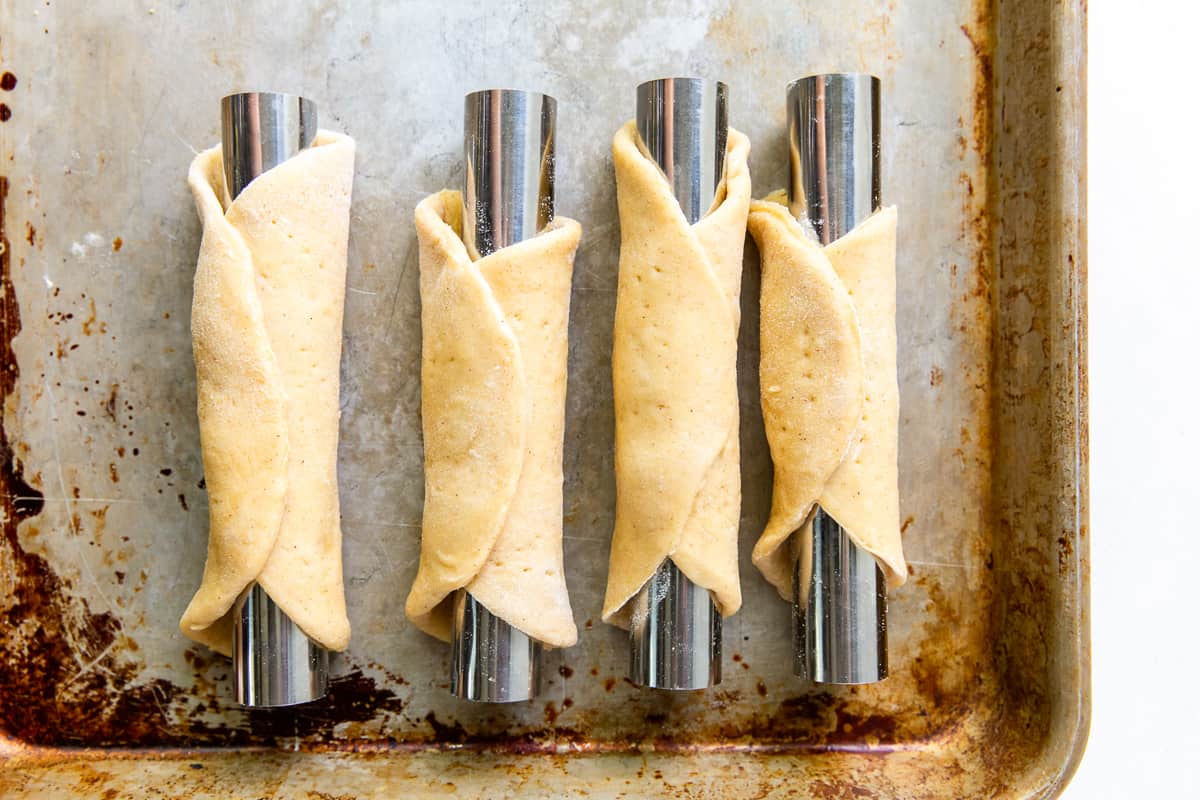
- Wrap one round of dough loosely around a cannoli mold. Brush one end of the dough with egg white, pull the other end around the mold until it overlaps slightly, and press down to seal. Repeat rolling, cutting, and wrapping the remaining dough, gathering the scraps of dough and re-rolling as needed, until you have 16 shells.
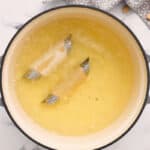
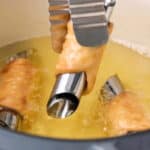
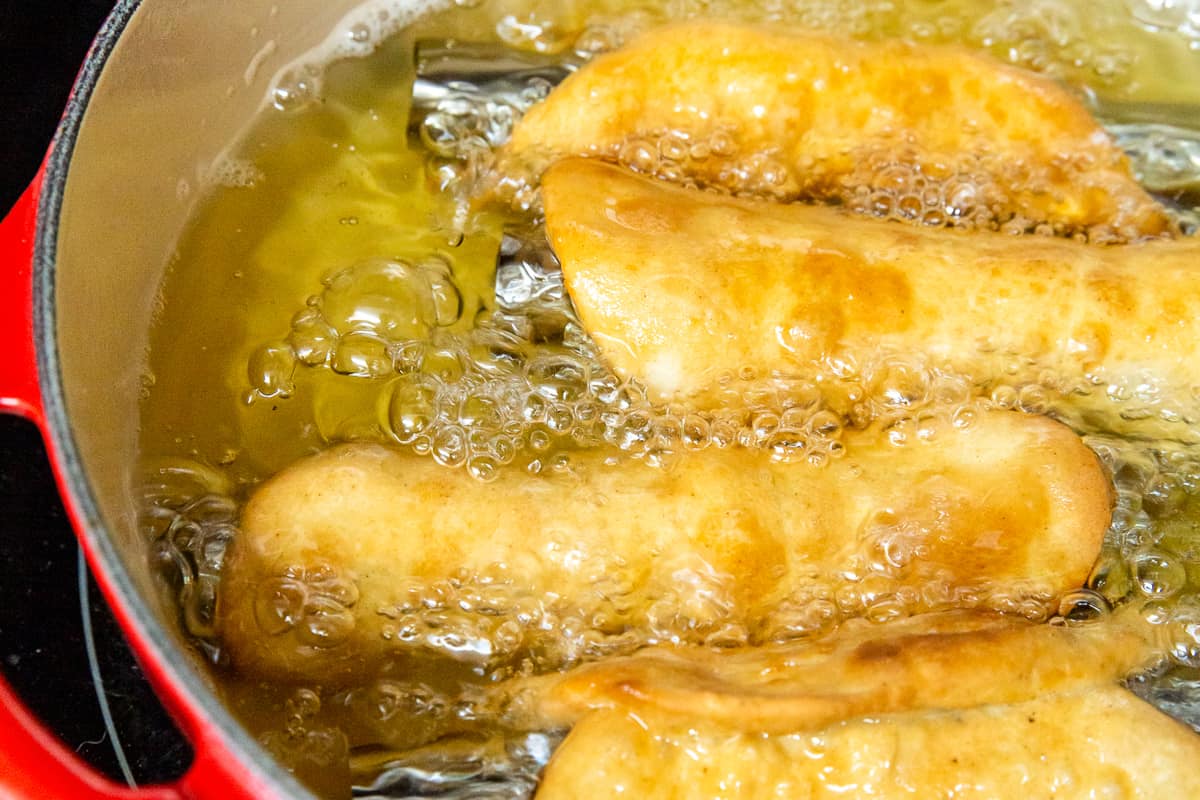
- Fry in batches of 4-5, adjusting the heat as needed to maintain an oil temperature of about 350°F. Using tongs, carefully lower the cannoli shells on their molds into the oil. Fry, turning as needed, until evenly golden brown, 2-3 minutes.
- Remove the fried shells to the cooling rack. Cool the shells completely before filling. When the shells are cool enough to handle (about 10 minutes), remove the molds: Gently squeeze a mold together to release the shell, then slip the shell off. Cooled shells can be stored in an airtight container at room temperature for a few weeks.
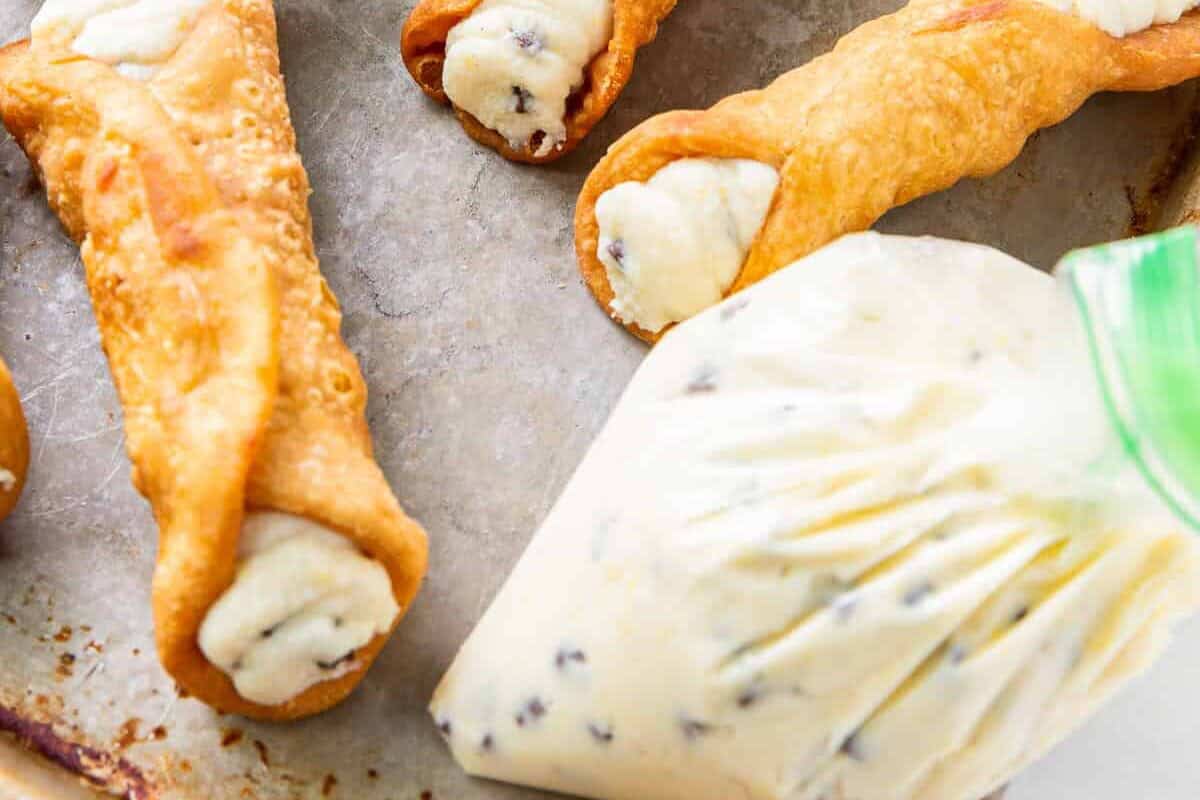
- Fill the cannoli shells just before serving. When ready to fill and serve the cannolis, transfer the filling into a pastry bag or Ziplcok bag and cut a ½-inch diameter piece off the end/corner. Insert the tip into one end of a shell and pipe the filling in, filling it halfway, then pipe the rest in from the other end. Dip the ends with the filling into more mini chocolate chips, if desired, and dust the filled cannolis with powdered sugar before serving.Chopped pistachios

Notes
- Straining the ricotta will yield the smoothest texture. If you don’t strain it, you’ll risk a watery filling.
- Check for elasticity: After kneading, press a finger into the dough–if it slowly springs back, it’s ready. If the dent stays, knead a little longer. If it bounces back too quickly, let it rest 10-15 minutes so the gluten can relax.
- You need to roll the dough out thinner than you think. Hold the sheet up to the light–if you can see light through it, it’s thin enough.
- After docking the dough, you can brush each round lightly with flour to help prevent big bubbles that distort the shell or push it off the mold.
- I like to chill the cannoli molds for about 10 minutes before wrapping them so the dough grips better and the shells cook more evenly.
- The cut rounds of dough will stretch slightly as you wrap them around the metal tubes; that is okay.
- Be sure to keep the temperature consistent while frying. Too hot and the shells will puff up too much; too cool and they will be greasy.
- To test whether the shells are done, tap a fried shell with a spoon. A perfectly-fried shell should sound hollow and crisp.
- Wait for the shells to fully cool and dry before filling them; otherwise, they will turn soggy. You can wipe excess oil with a paper towel.
- Don’t add additional sugar to the filling. It will make it too loose.
- To firm up the filling, pop it in the freezer for 5-10 minutes. It’ll make it easier to pipe.
- I recommend serving as soon as you fill them. If you’re planning to serve them later in the day, pop the filling in a sealed piping bag in the fridge. When ready to pipe, snip off the end.
- Don’t overfill! Stop when the shell feels full but not stretched. Too much pressure can crack even perfectly fried shells.
- Nutritional information does not include optional garnishes.
How to Make a Cannoli Step-by-Step
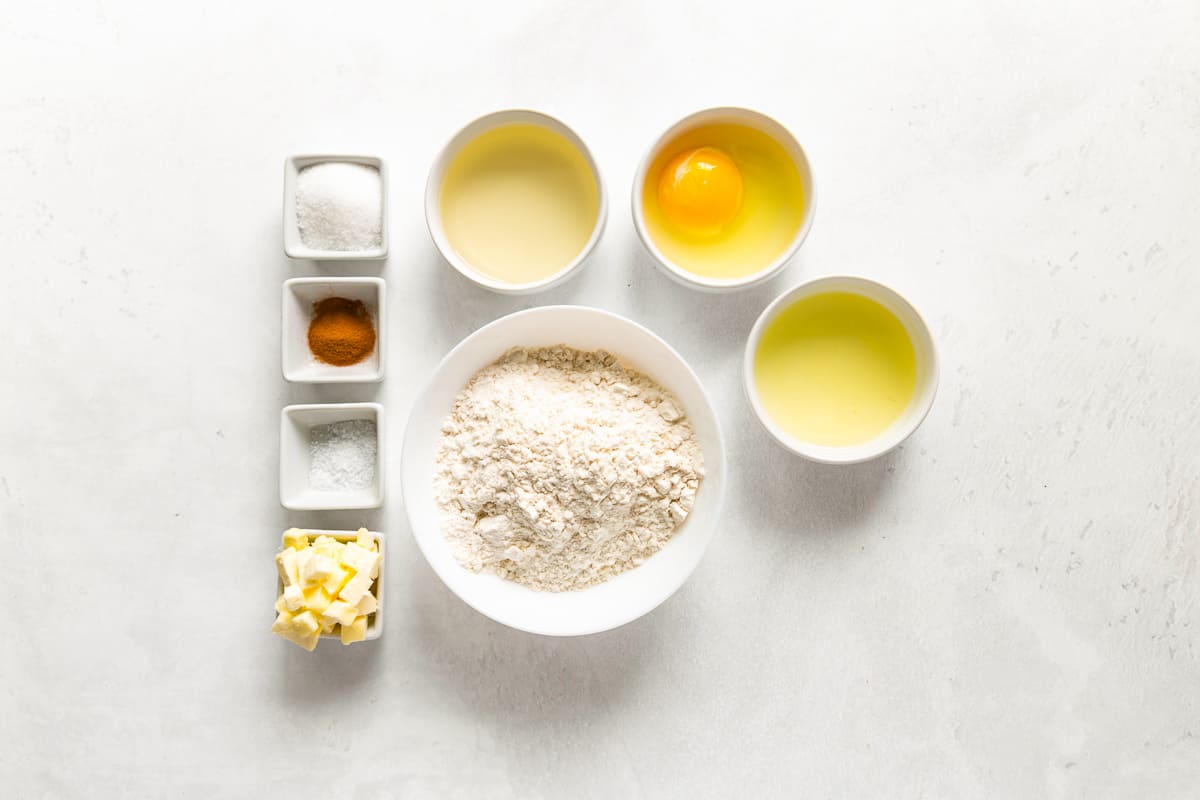
Prep: Gather up everything you need to make these homemade cannolis. Make sure the wine is chilled before beginning, as this is essential to achieving ultra-crisp cannoli shells. If you haven’t yet, chill it while you strain the ricotta cheese.
Strain the Ricotta: Line a fine-mesh strainer with cheesecloth or a coffee filter and set it over a bowl. Pour 2 cups of whole milk ricotta into the strainer, refrigerate, and let drain for at least 1 hour or overnight.
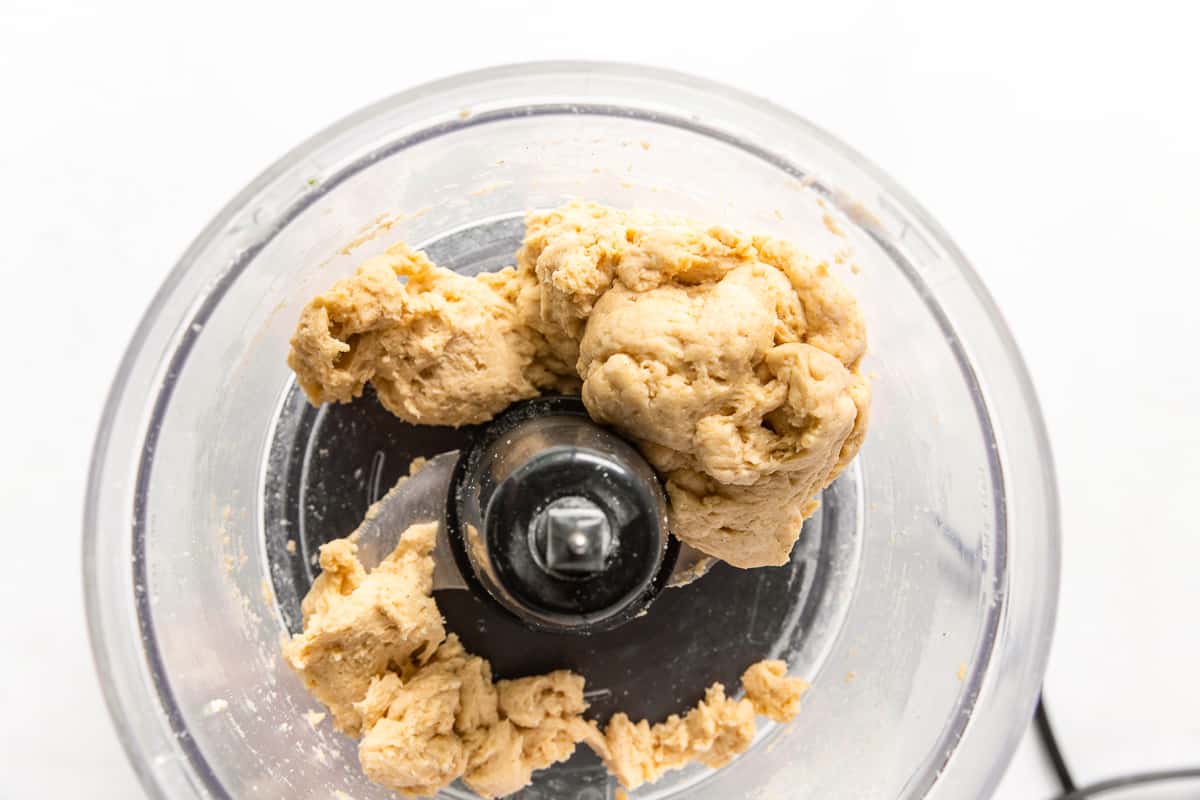
Mix the Dough: Place 1½ cups of all-purpose flour, 1½ tablespoons of granulated sugar, ½ teaspoon of ground cinnamon, and ¼ teaspoon of kosher salt in a food processor. Pulse to combine. Add 2 tablespoons of cubed unsalted butter and pulse until the mixture resembles small pebbles. Add ¼ cup of Marsala wine and 1 large egg and pulse until you achieve a shaggy dough, adding more wine, 1 tablespoon at a time, if necessary. Transfer the dough to a floured surface and knead until smooth, then form into a ball. Place the dough in an oiled bowl and cover, allowing it to rest for 1-2 hours.
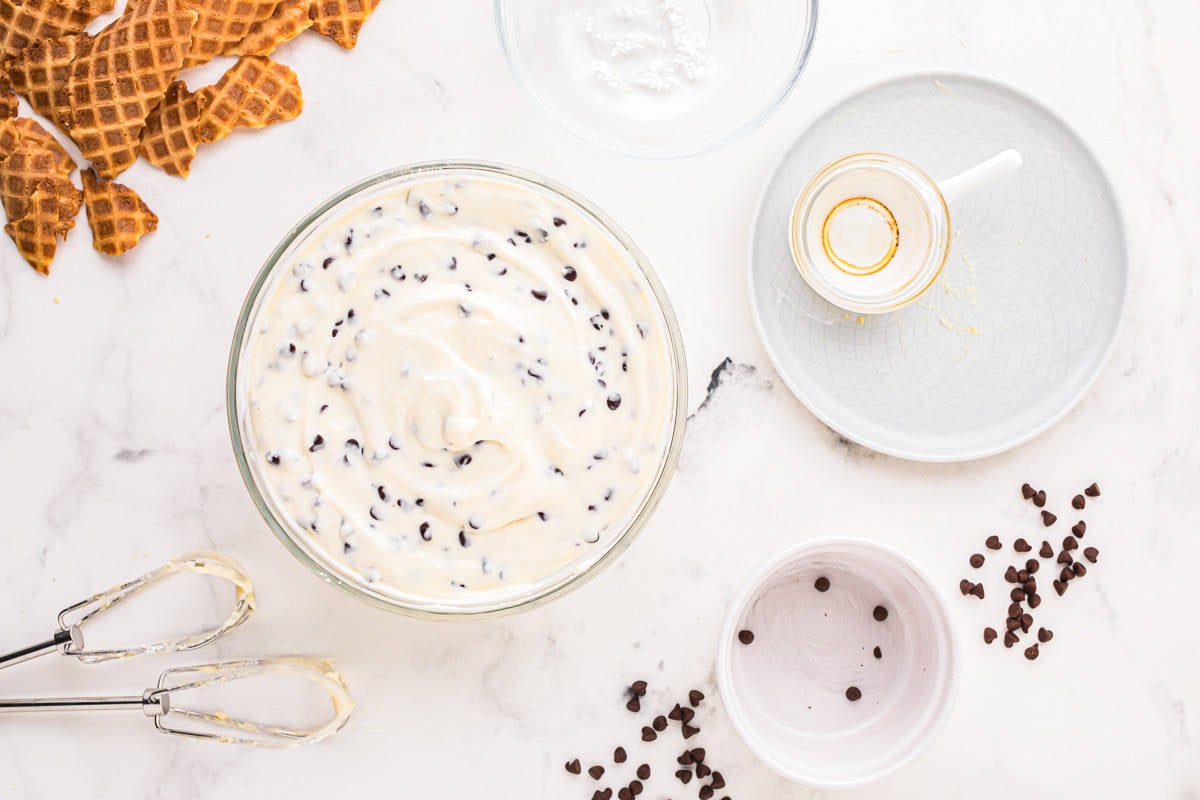
Make the Filling: Place the drained ricotta, 1 cup of powdered sugar, 1 teaspoon of finely grated orange zest (if using), and ½ teaspoon of ground cinnamon in a large bowl and gently mix with a rubber spatula until well combined. Add ½ cup of mini chocolate chips and mix to evenly distribute. Refrigerate until ready to use.
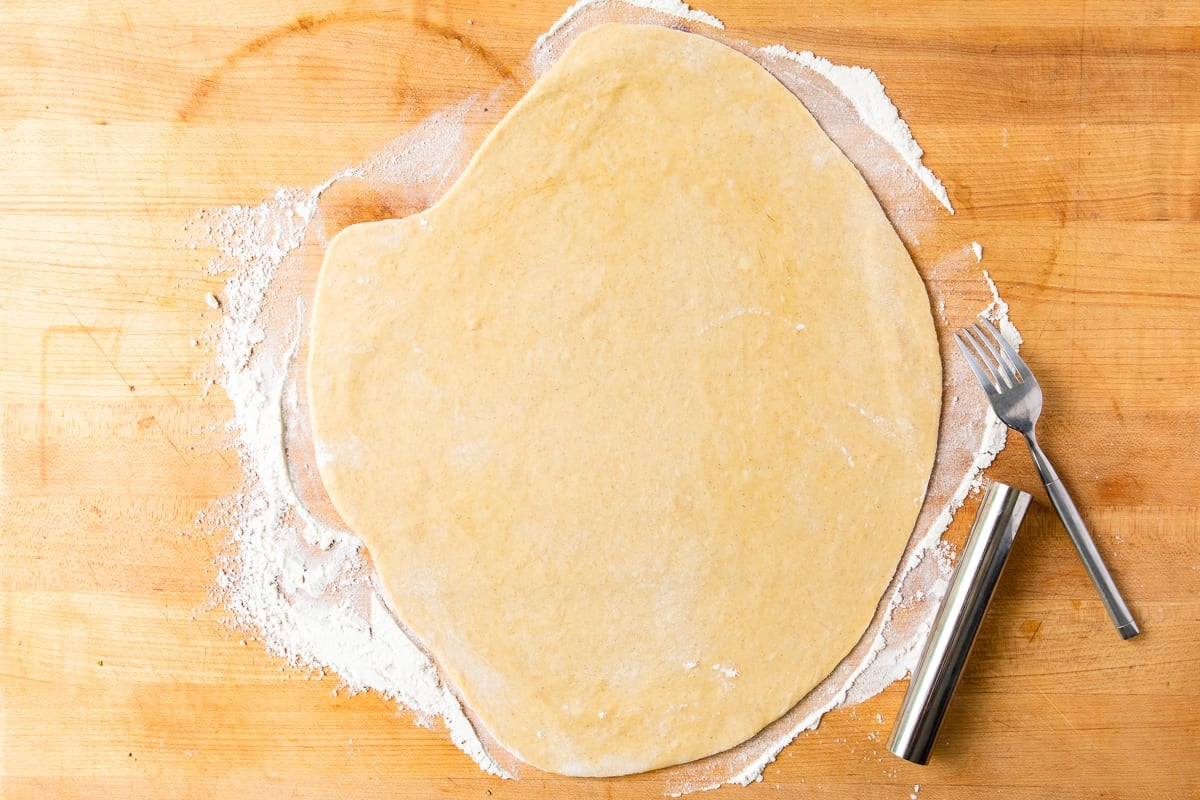
Roll Out the Dough: Heat the vegetable oil in a large, heavy pot set over medium-high heat until 350°F. Meanwhile, place 1 large egg white in a small bowl and lightly beat with a fork. Line a baking sheet with paper towels and fit a cooling rack over it. Divide the cannoli shell dough into 2 pieces. Roll and cut 1 piece at a time, keeping the remaining dough covered so that it doesn’t dry out. Dust a work surface with flour, then use a rolling pin to roll the dough out until ⅛-inch thick. Alternatively, you can use a pasta roller to roll the dough into a thin, even sheet, working from 1 to 5 on the machine’s dial.
Cut and Dock the Shells: Use a 4 to 5-inch round cookie cutter to cut rounds from the sheet of dough. Use a fork to “dock” and poke holes in each round on both sides. This prevents large bubbles that will slip the dough off the cannoli molds.
Wrap the Dough: Wrap one round of dough loosely around a cannoli mold. Brush one end of the dough with egg white, pull the other end around the mold until it overlaps slightly, and press down to seal. Repeat rolling, cutting, and wrapping the remaining dough, gathering the scraps of dough and re-rolling as needed, until you have 16 shells.
Fry the Shells: Fry in batches of 4-5, adjusting the heat as needed to maintain an oil temperature of about 350°F. Using tongs, carefully lower the cannoli shells on their molds into the oil. Fry, turning as needed, until evenly golden brown, 2-3 minutes. Remove the shells to the cooling rack. Cool the shells completely before filling. When the shells are cool enough to handle (about 10 minutes), remove the molds: Gently squeeze a mold together to release the shell, then slip the shell off.
Fill the Cannolis: When ready to fill and serve the cannolis, transfer the filling into a pastry bag or Ziplock bag and cut a ½-inch diameter piece off the end/corner. Insert the tip into one end of a shell and pipe the filling in, filling it halfway, then pipe the rest in from the other end. Dip the ends with the filling into more mini chocolate chips, if desired, and dust the filled cannolis with powdered sugar before serving.
How to Store and Freeze
You can store the fried cannoli shells in an airtight container at room temperature for a few weeks. However, if they are filled, you will need to keep them in the refrigerator.
Store leftover homemade cannolis tightly wrapped in 1 layer of wax paper and 1 layer of aluminum foil in the refrigerator for up to 5 days (although I recommend consuming within 2 days for maximum freshness) or in the freezer for up to 1 month. Let thaw overnight in the refrigerator, and keep in mind that the shells may turn out soggy from thawing.











Leave a Reply