


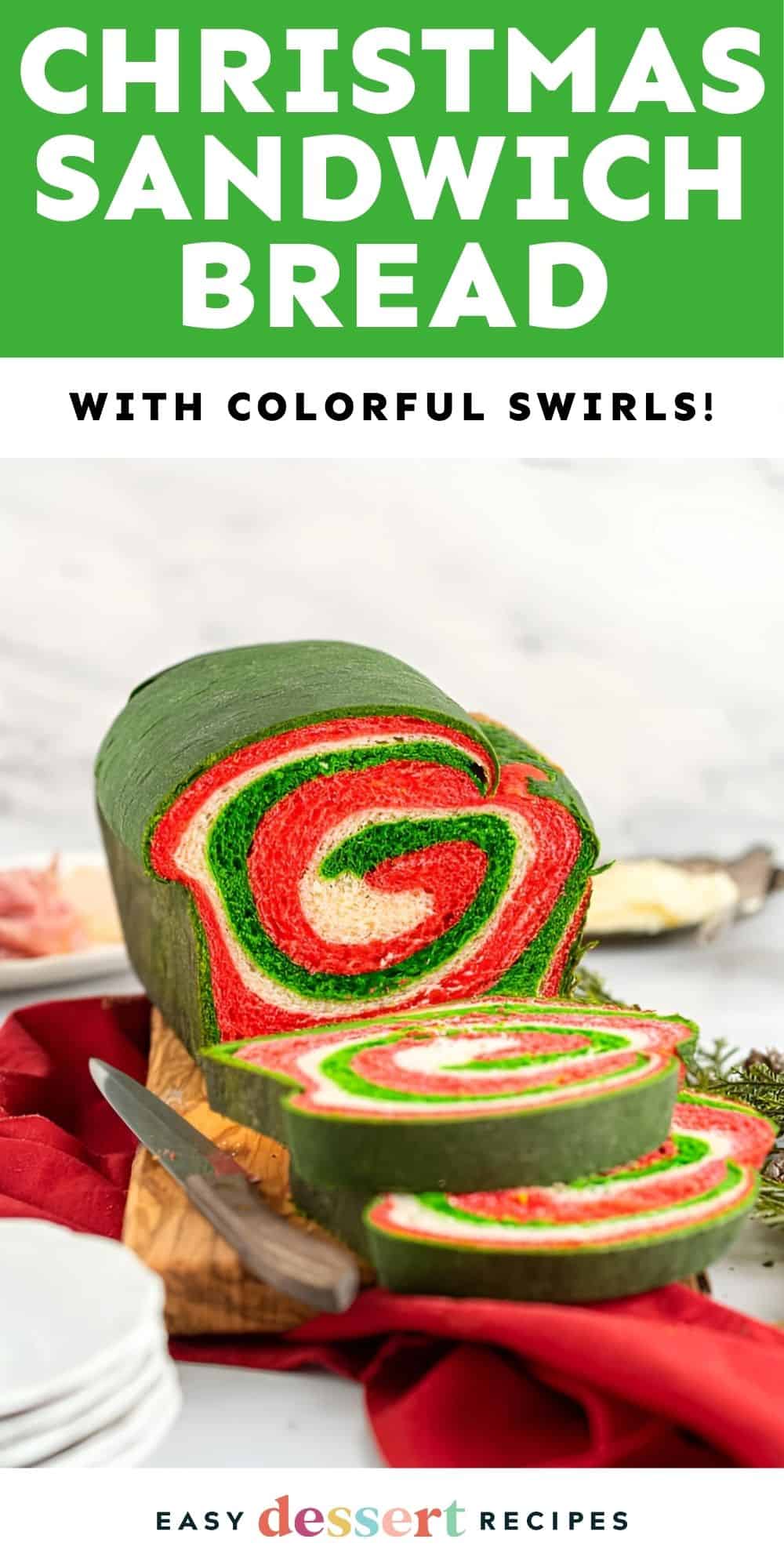
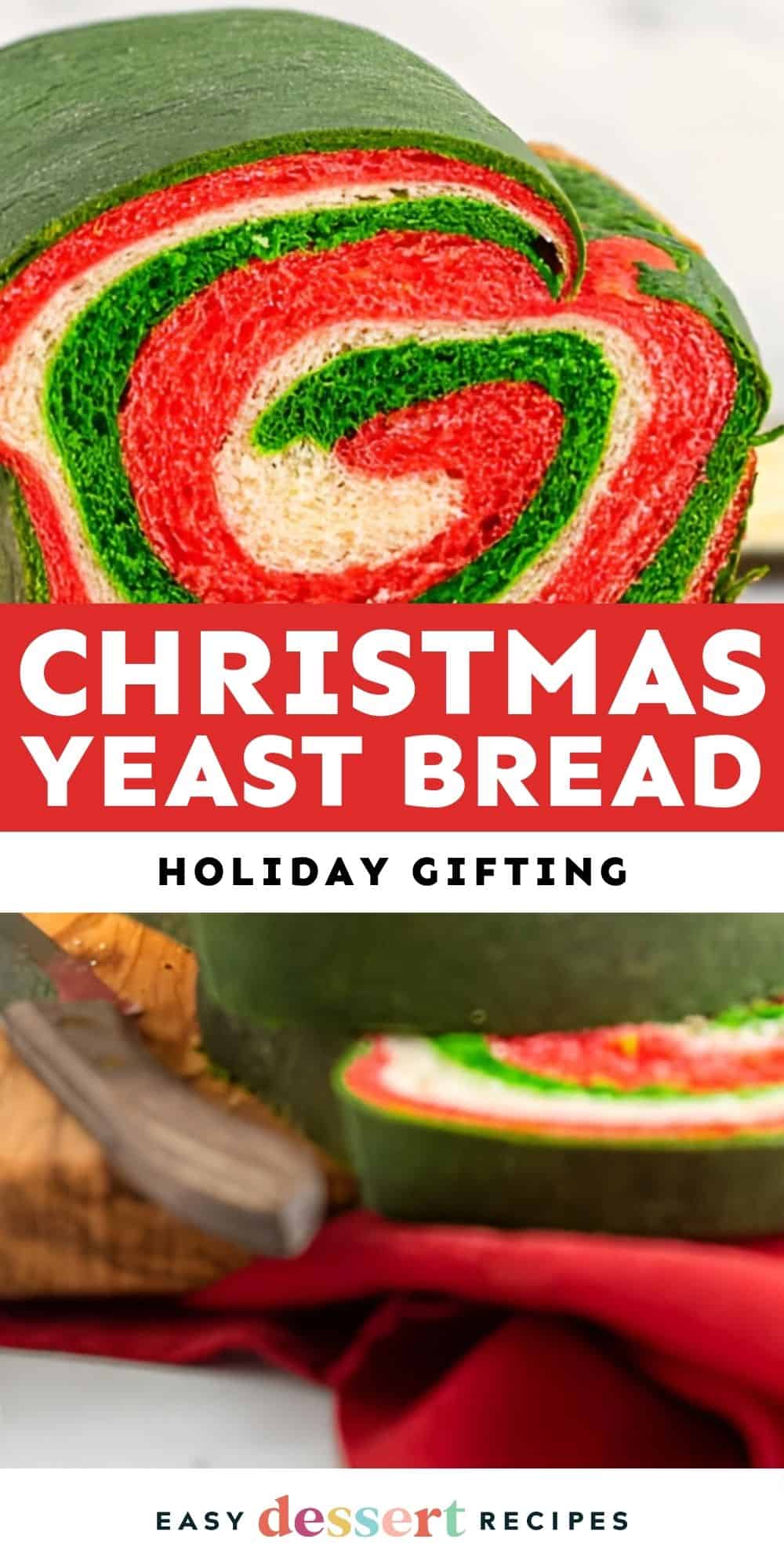

This Christmas bread is one of my favorite ways to kick off holiday baking. It’s a soft, yeasted loaf made with just a few pantry staples, then colored and layered to create a festive swirled Christmas bread loaf that looks like it came from a bakery. Even though the colors are impressive once sliced, the method is surprisingly simple–perfect for beginners or anyone wanting a fun upgrade to their usual Christmas sandwich bread.

Swirled Christmas Sandwich Bread
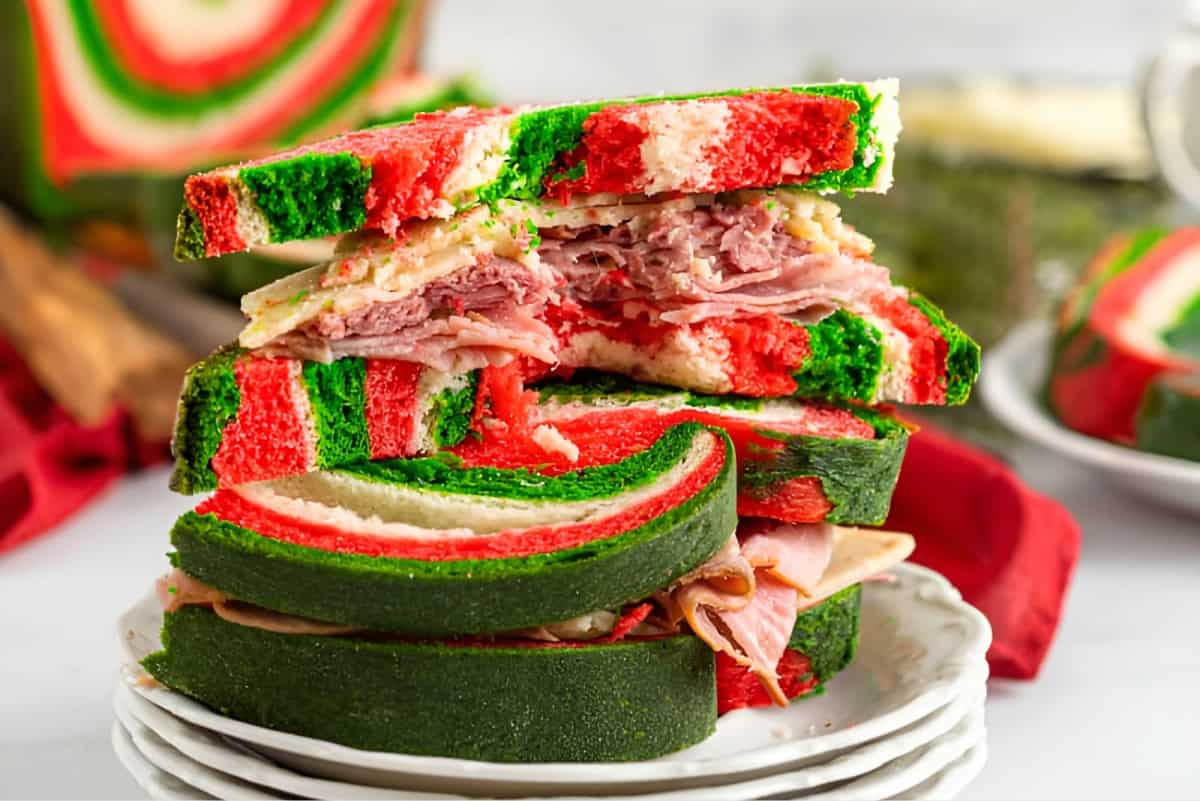
What I love most about this Christmas bread recipe is how versatile it is. The dough itself is a light, slightly sweet yeasted bread that works beautifully for morning toast, turkey sandwiches, or gifting to neighbors when everyone is already overwhelmed with desserts. Because I divide, tint, and roll the dough into colorful layers, the swirl stays vibrant throughout the bake without adding extra steps or complicated shaping. It’s a straightforward bread project with a big visual payoff, and the finished Christmas bread loaf slices beautifully every time.
Want to try this technique for another holiday? My Halloween Bread uses the same swirled method but with spooky black, yellow, green, and purple dough.

Email this Recipe
Enter your email and we’ll send the recipe directly to you!
By submitting this form, you consent to receive emails from Easy Dessert Recipes.
Temperature Trick for Picture-Perfect Holiday Swirls
After testing multiple batches, I found that the key to clean, defined swirls in this Christmas sandwich bread is making sure each colored dough section is the same temperature before rolling. If one dough is warmer or softer, the yeast activity causes it to stretch faster than the others, which makes the layers slip and blur. After the first rise, let all three dough balls rest on the counter for 10-15 minutes so they equalize in temperature and elasticity. This simple step keeps the swirl tight and the colors crisp.

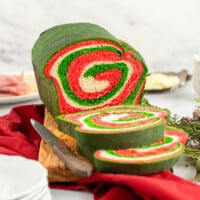
Swirled Christmas Sandwich Bread Recipe
Equipment
- Kitchen Scale (optional)
- Stand Mixer
- Rolling Pin
- 9×5-inch Loaf Pan
Ingredients
- 1½ cups milk warm (100-110°F)
- 3 tablespoons granulated sugar
- 2½ teaspoons active dry yeast (1 envelope)
- ¼ cup honey
- 2 egg whites
- 4½ cups all-purpose flour
- 1 teaspoon kosher salt
- 6 tablespoons unsalted butter room temperature (¾ stick)
- Red and green food coloring
Instructions
- In the bowl of a stand mixer, whisk together the milk, sugar, and yeast. Let stand for 5 minutes, until frothy.1½ cups milk, 3 tablespoons granulated sugar, 2½ teaspoons active dry yeast

- Once the yeast is frothy, add in the honey and whisk to combine.¼ cup honey
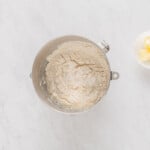
- Add in the egg whites, whisking to combine, followed by the flour and salt.2 egg whites, 4½ cups all-purpose flour, 1 teaspoon kosher salt
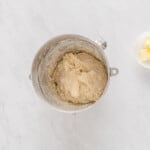
- Use the dough hook attachment to knead the flour into the dough until thoroughly combined.
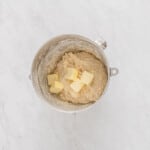
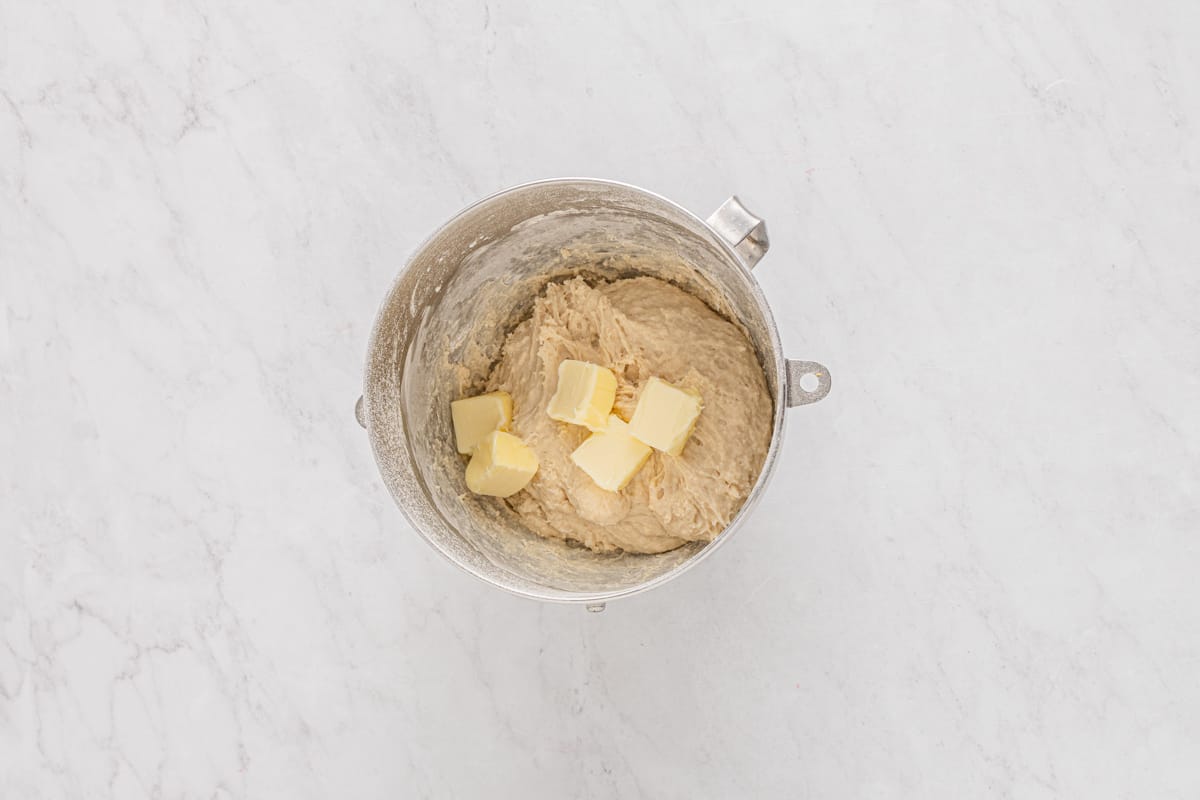
- Add in the butter and continue to knead until smooth and sticky, about 4 minutes. The dough should come away from the sides of the bowl.6 tablespoons unsalted butter
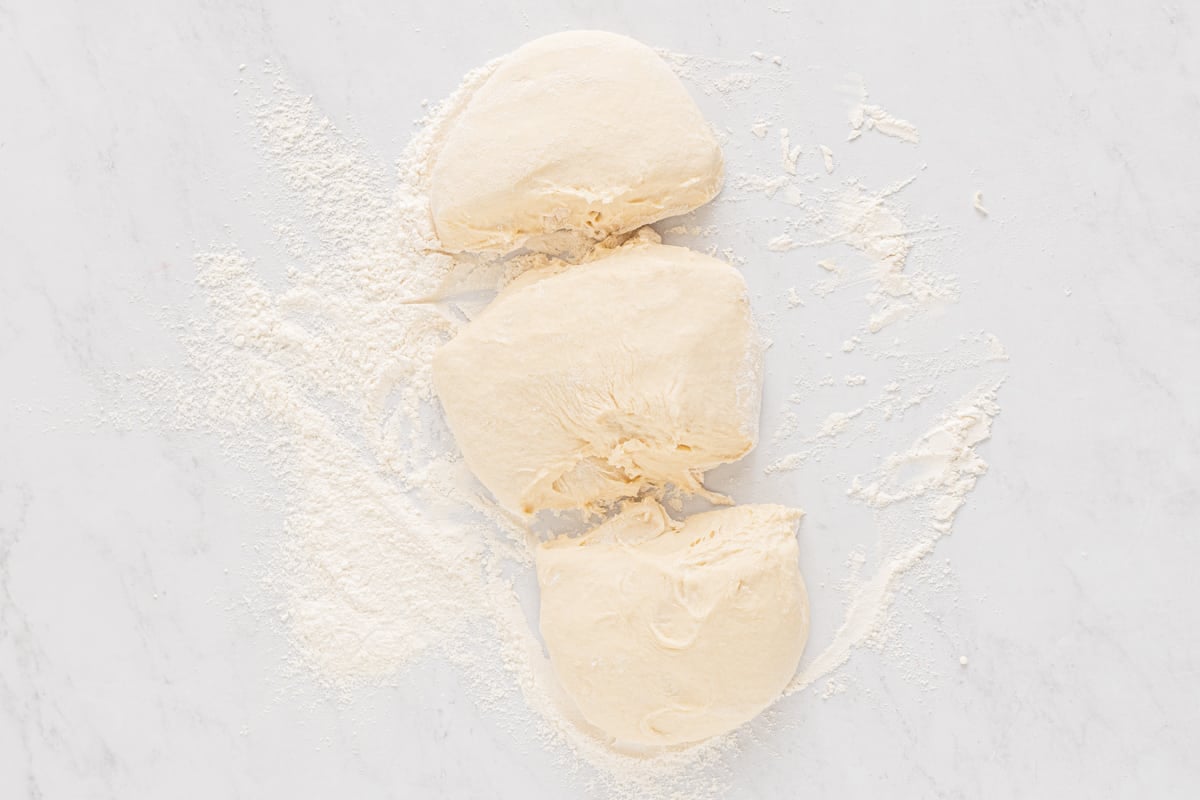
- Turn the dough out onto a well floured surface. Divide it into 3 equal-sized sections (about 391 grams each).
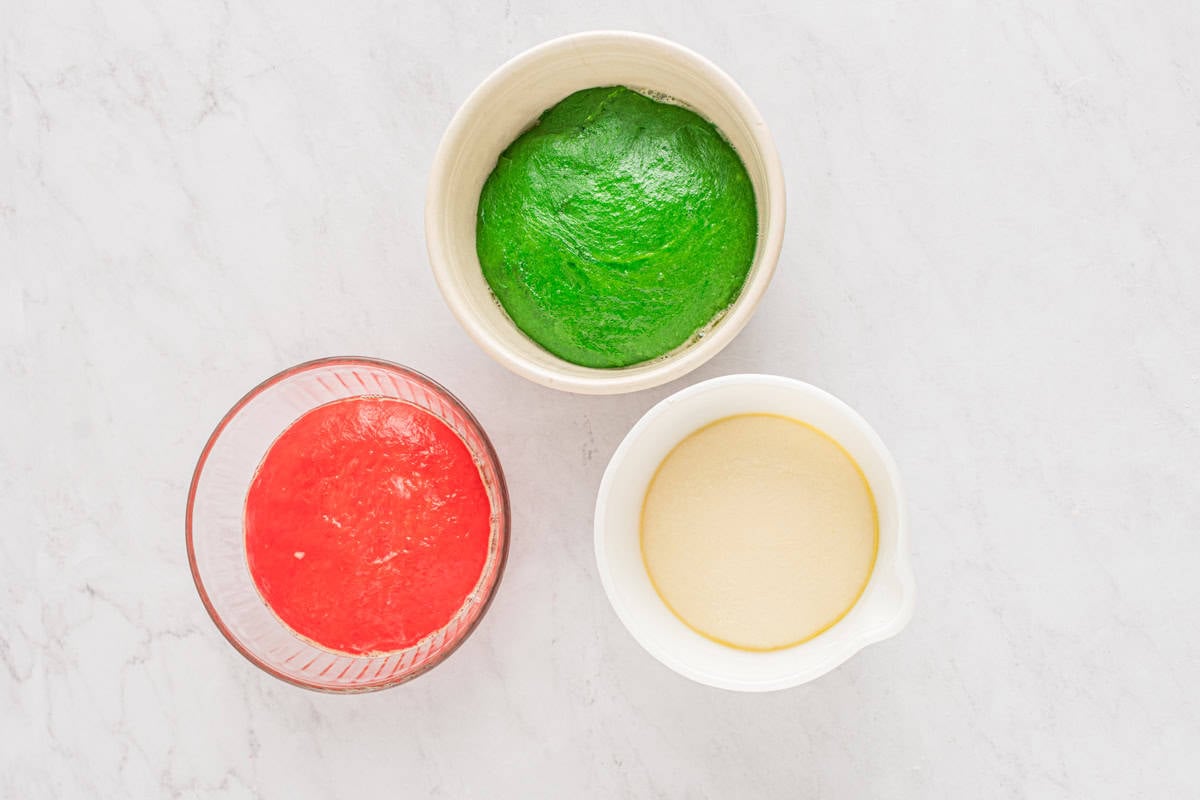
- Roll one section of dough into a tight ball and place into a well greased bowl. Cover with a towel to rise. Add red food coloring to one of the remaining sections and green food coloring to the other section. Knead for a few minutes to fully incorporate the color into the dough.Red and green food coloring
- Roll each colored section of dough into a tight ball and place into 2 separate, well greased bowls to rise. Cover with a towel and let rise until doubled in size, about 1 hour.
- Once the dough has risen, turn the uncolored ball of dough out onto a well floured surface. Roll out into a rough rectangle about 7 inches wide and 10 inches long. Carefully transfer the sheet of dough onto a separate baking sheet.
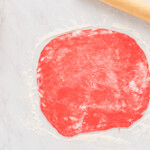
- Next, roll out the red ball of dough in the same manner. Transfer the red sheet onto the top of the white sheet of dough.
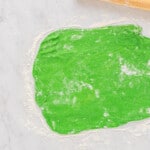
- Lastly, roll out the green ball of dough.
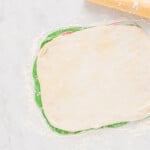
- Flip the red and white sheets of dough onto the top of the green sheet of dough with the red being sandwiched between the green on the bottom and the white on the top.
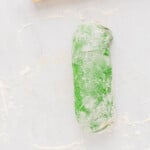
- Roll the sheets of dough together into a rectangle about 8 inches wide and 12 inches long. Starting at the 8-inch end, roll the dough into a log. Pinch the edge of the dough together with the log so that it stays together when transferring.
- Place the dough log into a well greased loaf pan. Spray the top with baking spray. Cover with a towel and set aside to rise for 30 minutes to 1 hour, or until doubled in size. In the last 30 minutes of rising, preheat oven to 350°F.
- Place the risen bread into the oven to bake for 1 hour, or until baked through and a toothpick inserted comes out clean (190°F internally). Once baked, remove from the oven and place onto a cooling rack to cool before slicing and serving.


Notes
- If the yeast doesn’t proof (foam), it’s important to start over. If not, the bread will not rise.
- Measure your flour using the spoon-and-level method to avoid a dense, dry bread.
- Food coloring adds moisture and can change dough texture. Add gradually until the shade looks right so you don’t accidentally make the dough too sticky.
- If the dough does get too sticky, add a little bit of extra flour.
- Change out the colors of this bread to use for other holidays!
- Lightly flour your surface before rolling out the bread dough.
- Enriched dough tightens quickly. If it starts to shrink back when you roll it out, stop and let it rest for 5-10 minutes to prevent tearing.
- Aim for ¼-inch thick sheets of dough.
- Roll firmly but gently to avoid pockets of air between the layers.
- You can brush egg white between the layers for a more secure hold.
- Properly baked bread should read 190-200°F internally.
- Let the bread cool completely before slicing to avoid creating dense, gummy slices.
- Slice with a serrated bread knife to preserve the swirl.
- This bread makes great festive French toast!
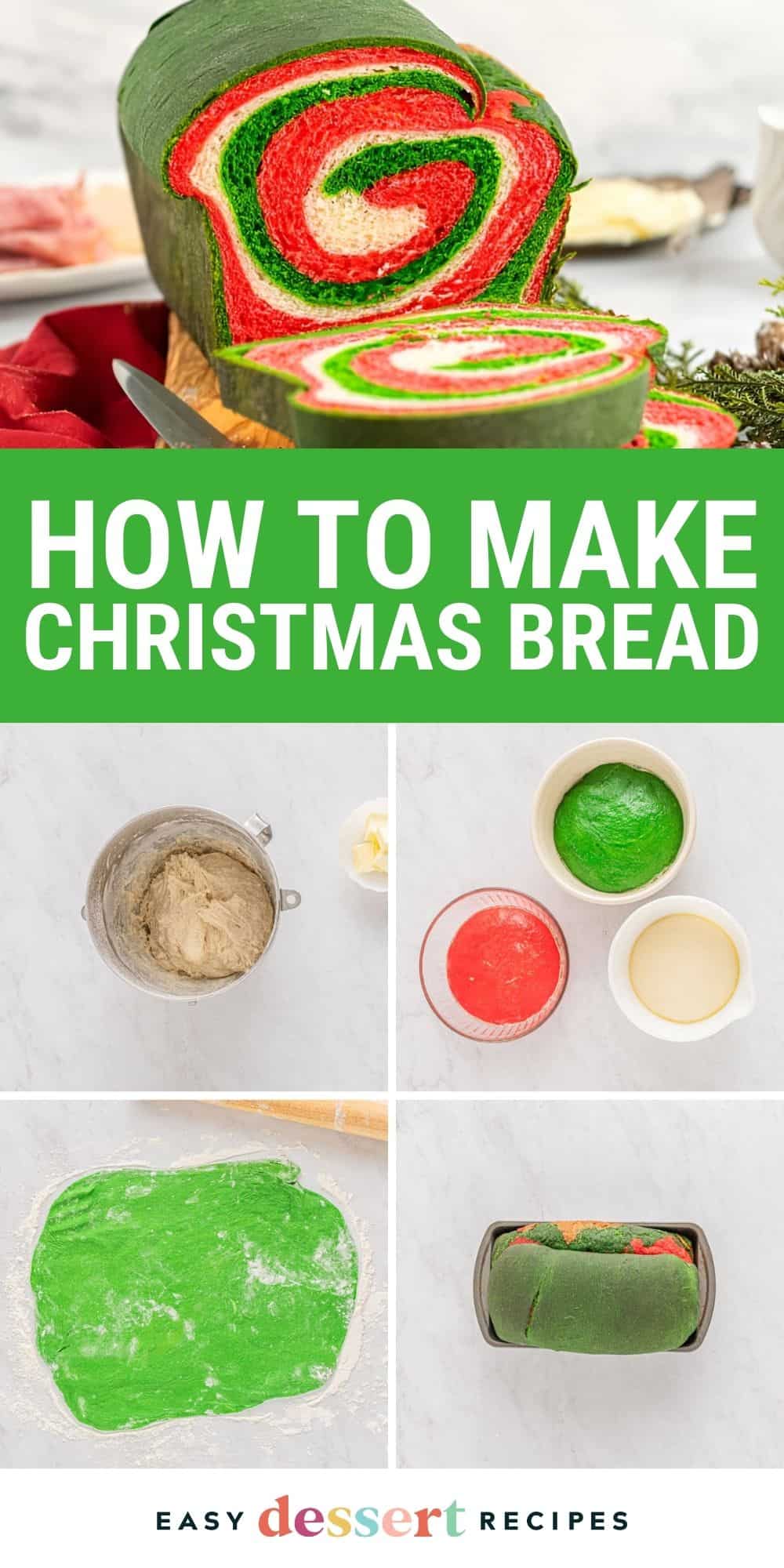
How to Make Christmas Bread Step-by-Step
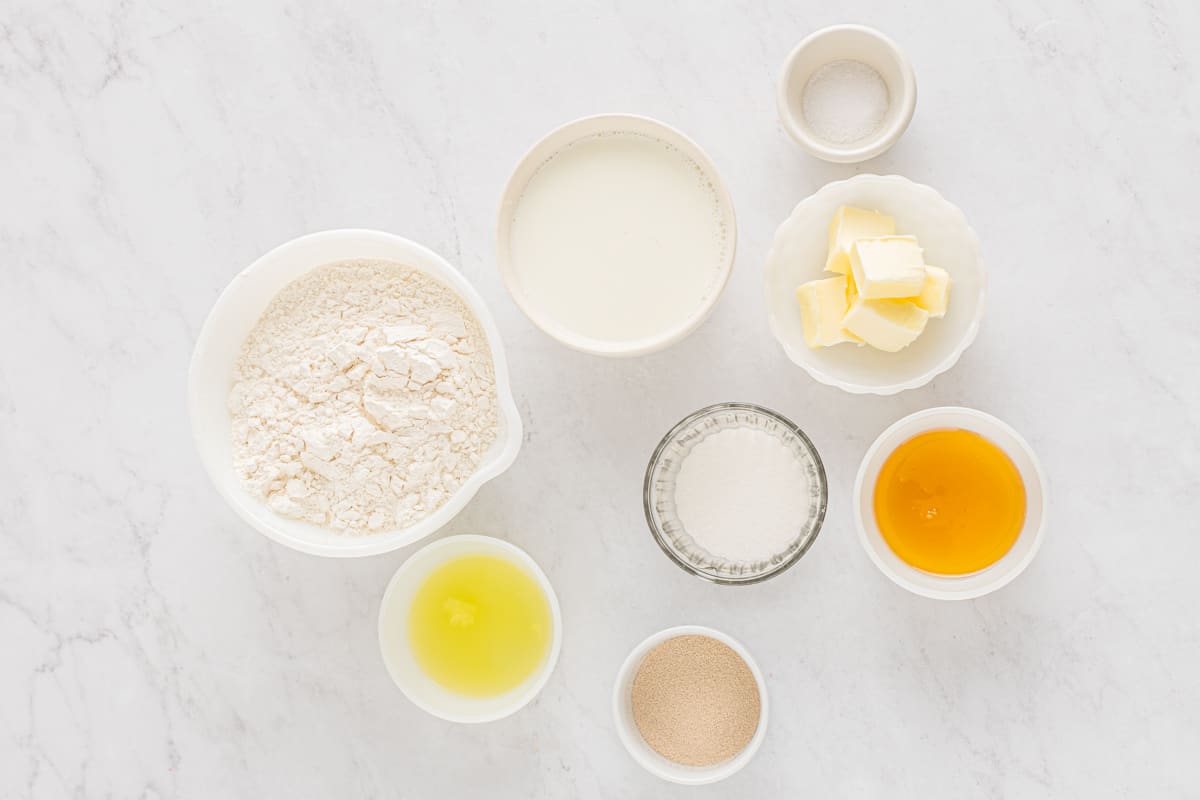
Prep: Gather up all of the ingredients needed to make this swirled Christmas sandwich bread. Bring the butter to room temperature for 30-60 minutes before beginning so it incorporates smoothly into the dough. Gently warm the milk to 100-110°F on the stovetop or in the microwave. This will help activate the yeast.
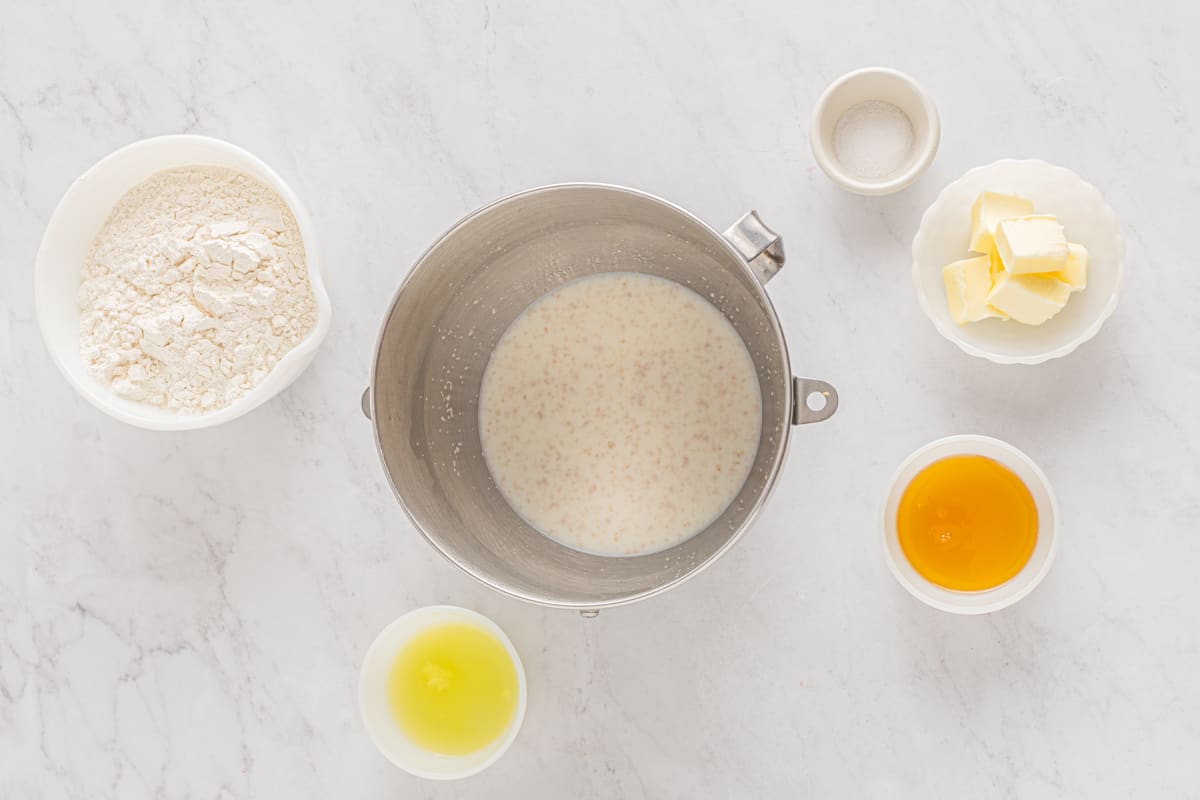
Bloom the Yeast: In the bowl of a stand mixer, whisk together 1½ cups of warm milk, 3 tablespoons of granulated sugar, and 2½ teaspoons of active dry yeast. Let stand for 5 minutes, until frothy. If after 5 minutes, the yeast is not foamy and yeasty smelling, discard and start over. Bad or expired yeast will not rise!
Mix the Dough: Once the yeast is frothy, add in ¼ cup of honey and whisk to combine. Add in 2 large egg whites, whisking to combine, followed by 4½ cups of all-purpose flour and 1 teaspoon of kosher salt. Make sure to measure your flour using the spoon-and-level method to avoid making a dense, dry loaf. Use the dough hook attachment to knead the flour into the dough until thoroughly combined.
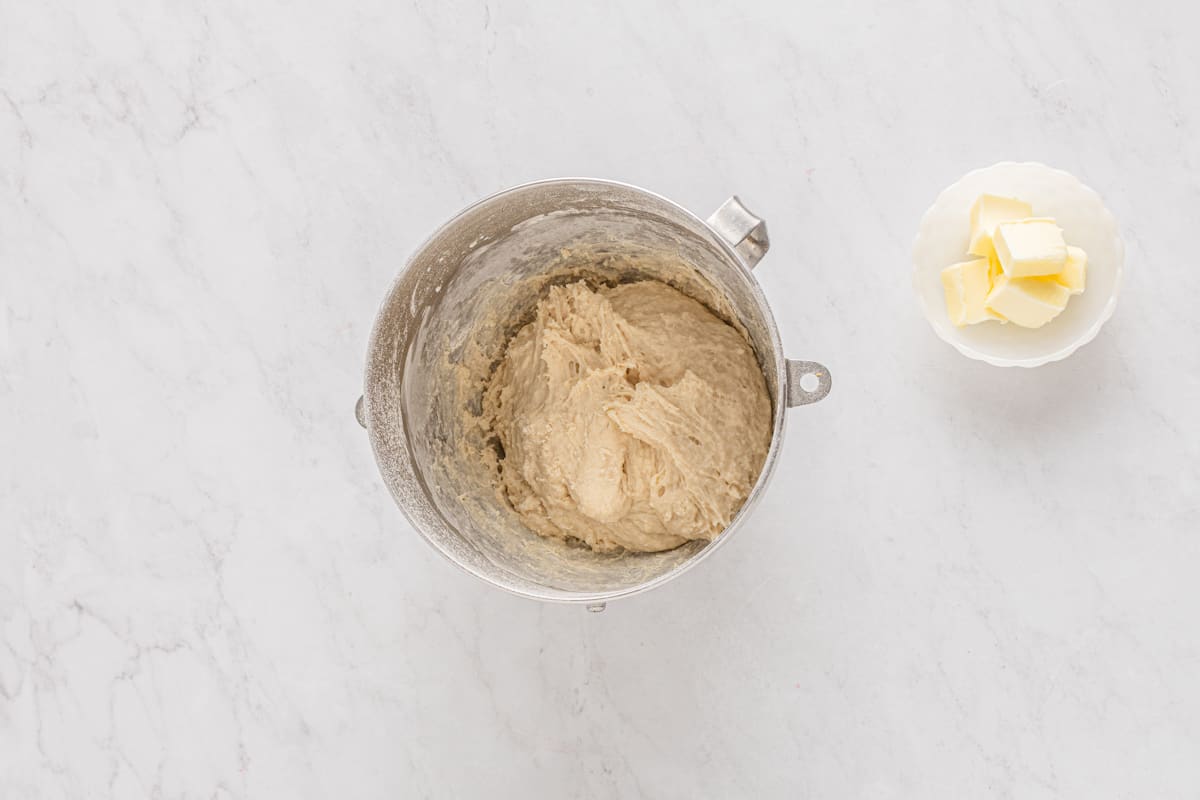
Enrich the Dough: Add in 6 tablespoons of room-temperature unsalted butter and continue to knead until smooth and sticky, about 4 minutes. The dough should come away from the sides of the bowl.
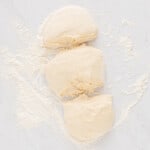
Divide the Dough: Turn the dough out onto a well-floured surface. Divide it into 3 equal-sized sections (about 391 grams each).
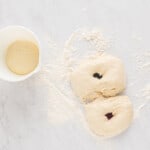
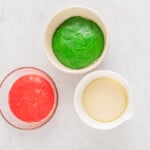
Color the Dough: Roll one section of dough into a tight ball and place into a well-greased bowl. Cover with a towel to rise. Add red food coloring to one of the remaining sections and green food coloring to the other section. Keep in mind that food coloring adds moisture and can change dough texture. Add gradually until the shade looks right so you don’t accidentally make the dough too sticky. Knead for a few minutes to fully incorporate the color into the dough. Roll each colored section of dough into a tight ball and place into 2 separate, well-greased bowls to rise. Cover with a towel and let rise until doubled in size, about 1 hour.
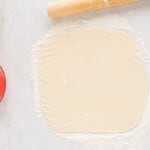
Layer the Dough: Once the dough has risen, turn the uncolored ball of dough out onto a well-floured surface. Roll out into a rough rectangle about 7 inches wide and 10 inches long (aim for ¼-inch thick sheets of dough). If you find the dough is shrinking back, stop and let it rest for 5-10 minutes, then try again. Carefully transfer the sheet of dough onto a separate baking sheet. Next, roll out the red ball of dough in the same manner. Transfer the red sheet onto the top of the white sheet of dough. Lastly, roll out the green ball of dough. Flip the red and white sheets of dough onto the top of the green sheet of dough with the red being sandwiched between the green on the bottom and the white on the top. You can brush egg white between the layers for a more secure hold.
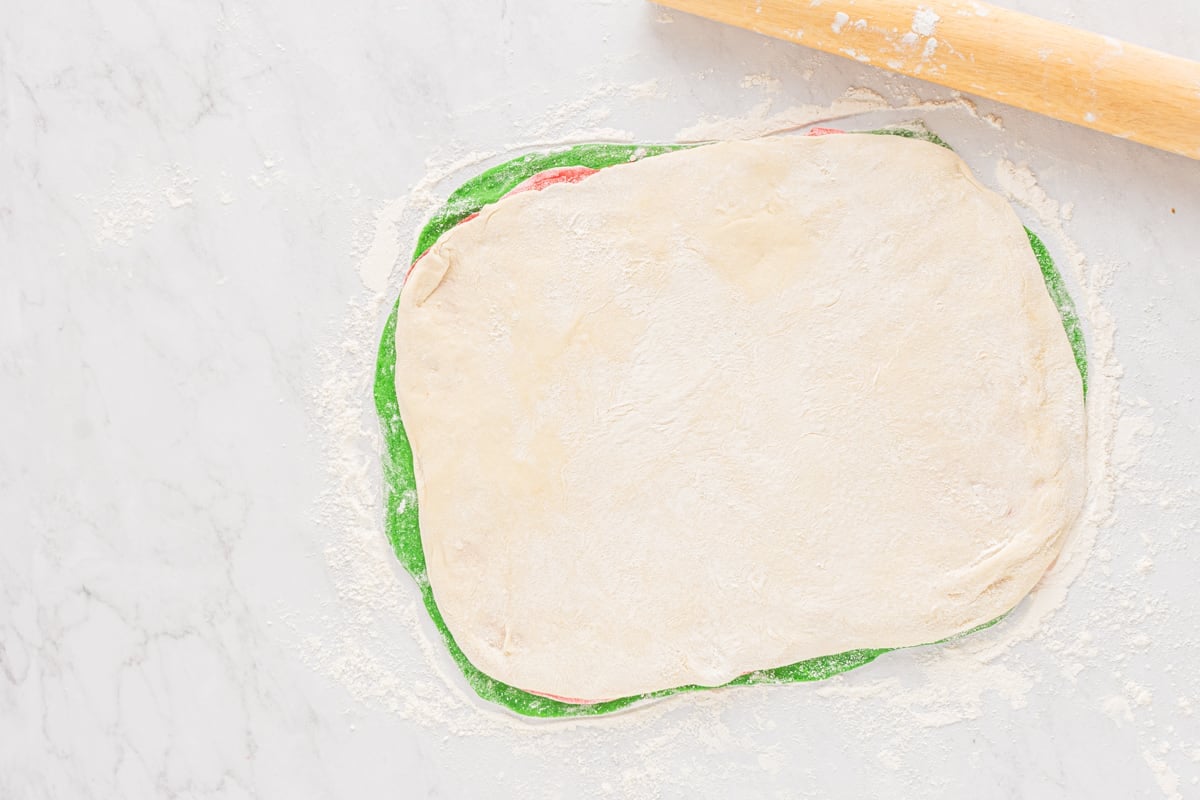
Proof the Bread: Roll the sheets of dough together into a rectangle about 8 inches wide and 12 inches long. Starting at the 8-inch end, roll the dough into a log. Pinch the edge of the dough together with the log so that it stays together when transferring. Place the dough log into a well-greased 9×5-inch loaf pan. Spray the top with baking spray. Cover with a towel and set aside to rise for 30 minutes to 1 hour, or until doubled in size. In the last 30 minutes of rising, preheat your oven to 350°F.
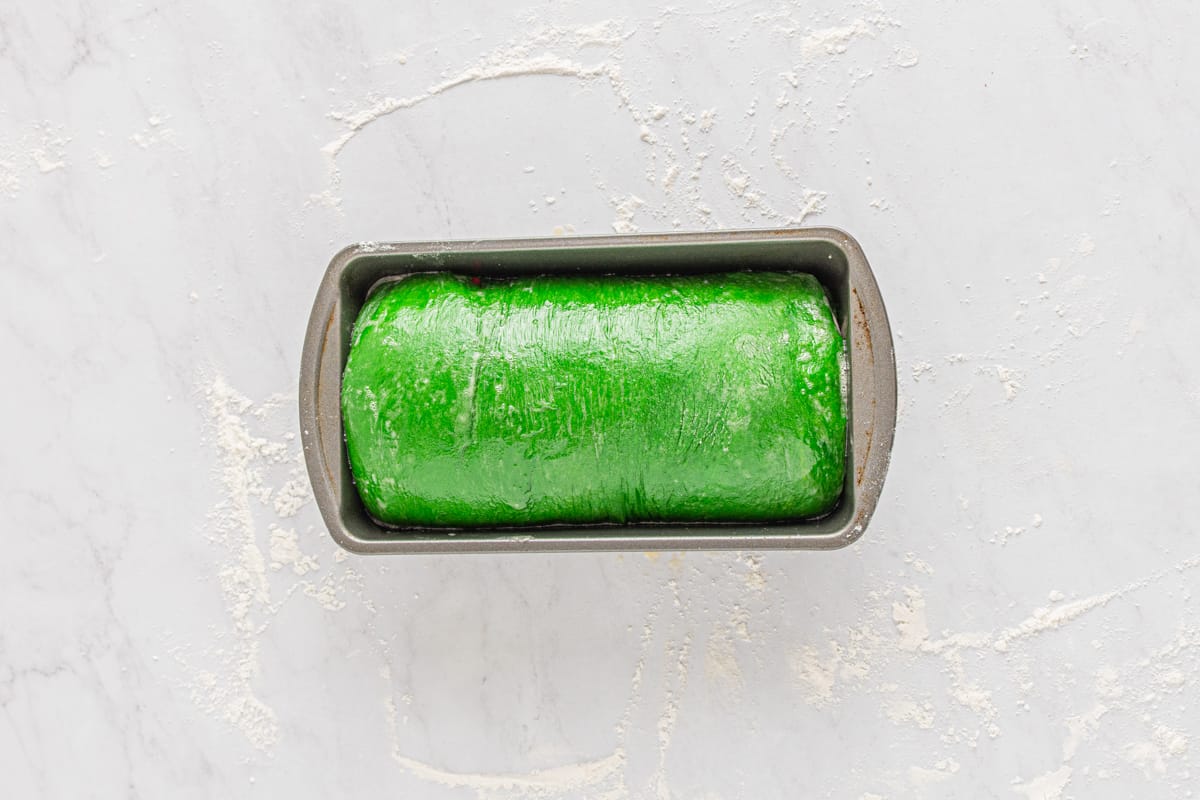
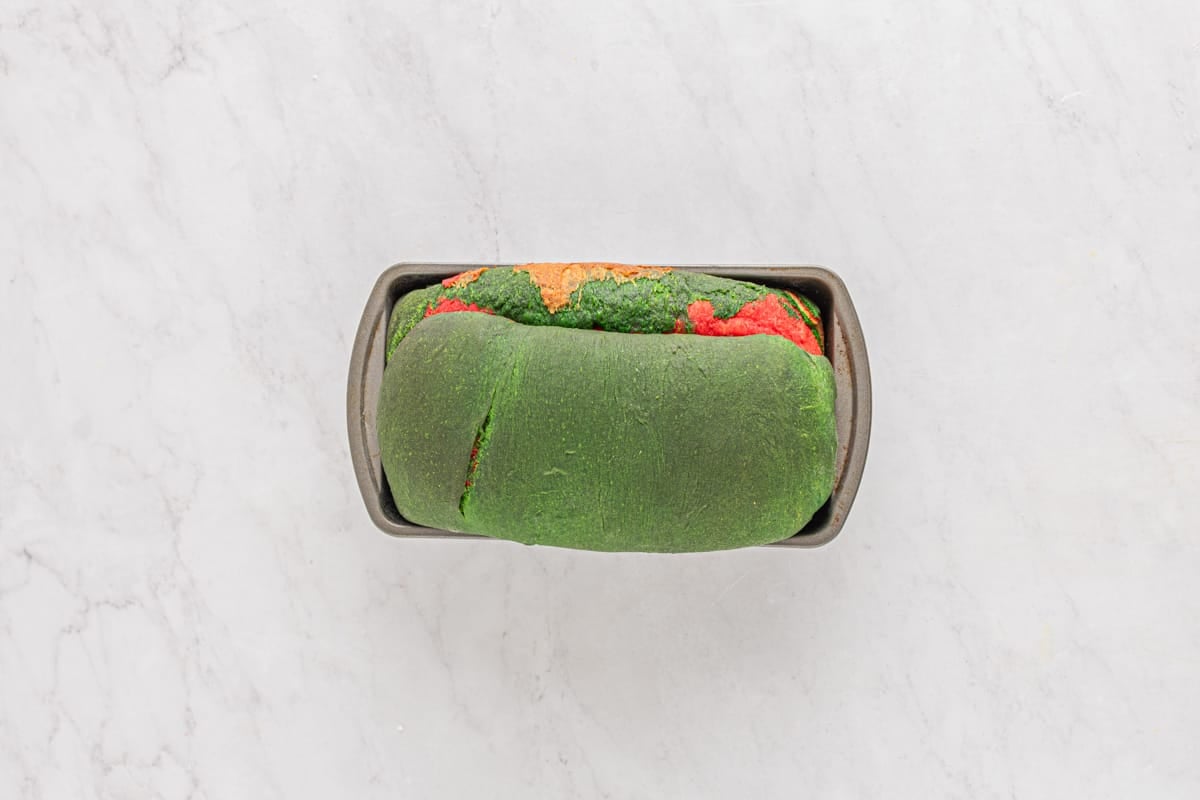
Bake the Bread: Place the risen bread into the oven to bake for 1 hour, or until baked through and a toothpick inserted comes out clean (190°F internally). Once baked, remove from the oven and place onto a cooling rack to cool before slicing and serving.
How to Store, Freeze, and Reheat
Store leftover Christmas sandwich bread in an airtight container at room temperature for up to 3 days. I find that it tends to dry out when refrigerated, but you can slice and freeze the bread (in an airtight Ziplock freezer bag) for up to 2 months. Enjoy at room temperature or gently toasted.














Leave a Reply