




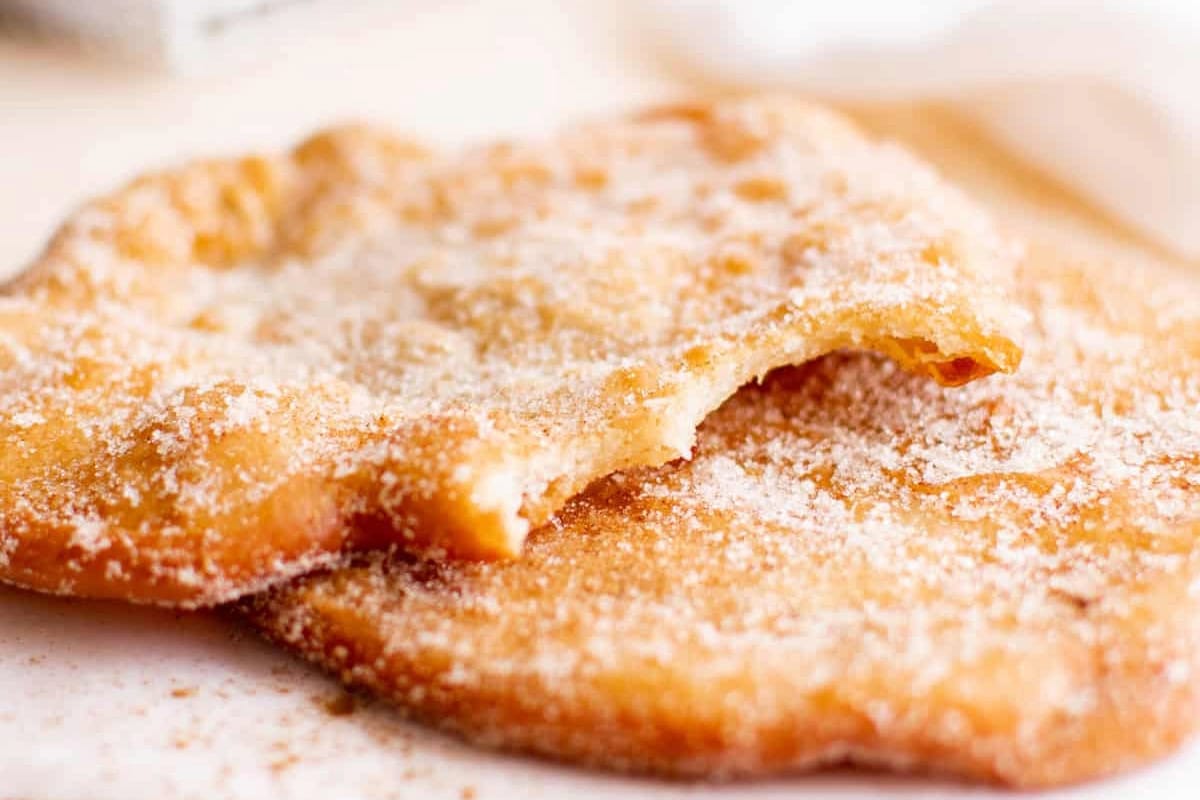
I wish it were fair season all year long, but this elephant ear pastry really helps when the craving hits! Elephant ears are a classic carnival treat, beloved for their flaky, crispy texture and sweet cinnamon-sugar coating. I’ve perfected this homemade version by frying the dough to a golden crisp and generously coating each piece with cinnamon sugar. It’s such a delicious way to enjoy this nostalgic favorite anytime! With simple ingredients and clear instructions, I’m confident you can make this crowd-pleaser right at home.


Top Reader Review
These turned out great! I cut the recipe back to 5 servings and split the dough into sixths. They fried up great!
We are heading to the county fair tonight and I wanted an authentic treat to bring for my son who is a allergic to peanuts and tree nuts. These will be great for him to have while his sisters have something at the fair. Thank you!
–
Homemade Elephant Ears Fair Food
I’ve always wondered where elephant ears got their name, and I recently learned it’s because they’re so big and shaped like an elephant’s ear–duh! But the real secret isn’t the shape; it’s the yeast-raised dough. Unlike quick versions that use baking powder, my recipe uses a combination of whole milk and melted butter to create a rich, brioche-style base. When this hits the oil, the yeast creates tiny air pockets that result in that signature chewy-crisp carnival bite.
I recommend frying these bad boys at a steady 265°F. While it’s lower than standard frying, it ensures the thick pastries cook all the way through to a tender center without burning on the outside. Dipped in a mix of cinnamon and sugar, they’re perfectly crispy, chewy, and sweet!

Email this Recipe
Enter your email and we’ll send the recipe directly to you!
By submitting this form, you consent to receive emails from Easy Dessert Recipes.
Dock and Roll for the Best Results
For even cooking and a controlled puff, roll your dough disks to a consistent ¼-inch thickness (mine were about 7 inches across). If some areas are too thin, they can overcook and become brittle, while thicker spots may remain doughy inside. Starting from the center and rolling outward evenly helps achieve a uniform shape. Finally, don’t forget to dock the dough! Prick the center of each rolled disk a few times with a fork to let trapped steam escape. This prevents them from ballooning up in the oil, resulting in beautifully golden, craggy elephant ears every time.


Elephant Ear Pastry Recipe
Equipment
- Kitchen Scale (optional)
- Instant Read Thermometer
- Rolling Pin
Ingredients
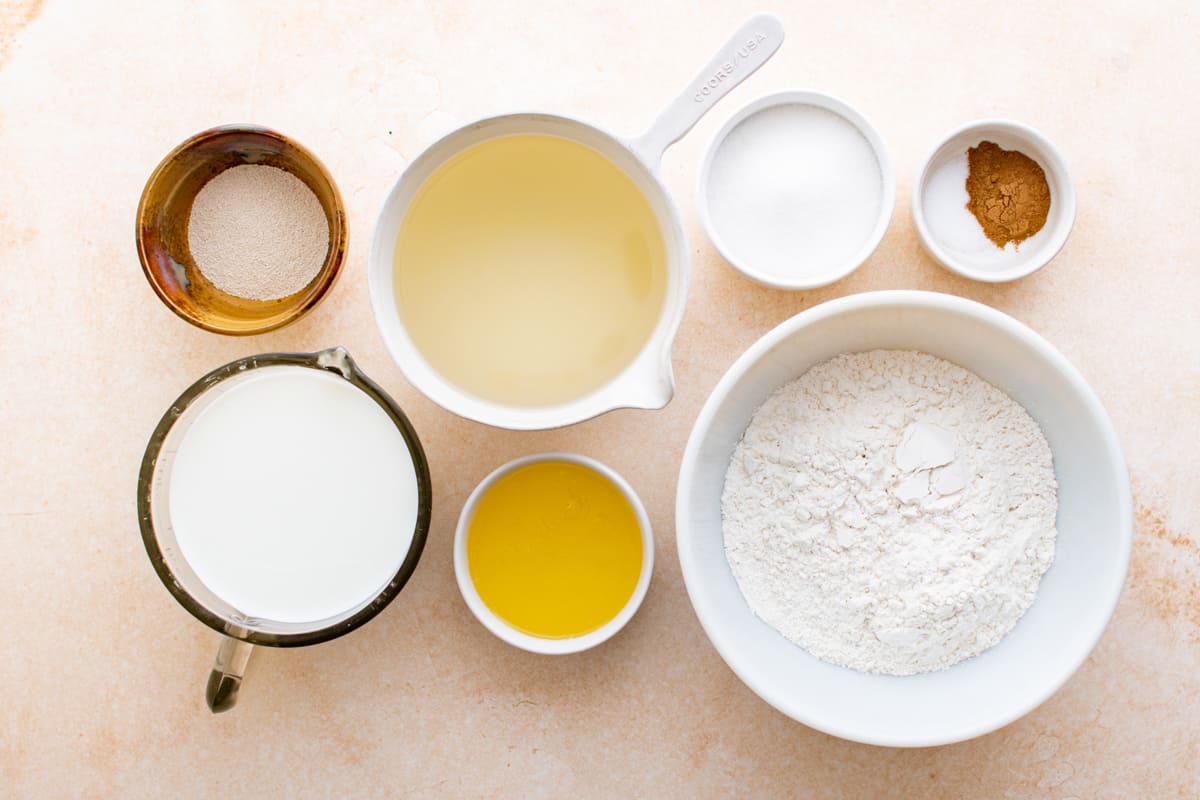
- 1¾ cups milk warm (110°F)*
- ¾ cup granulated sugar divided
- 1½ tablespoons instant yeast
- 6 tablespoons unsalted butter melted (¾ stick)
- 2 teaspoons ground cinnamon divided
- ¼ teaspoon kosher salt
- 5½ cups all-purpose flour divided
- Vegetable oil for frying**
Instructions
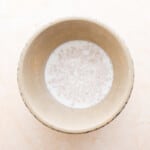
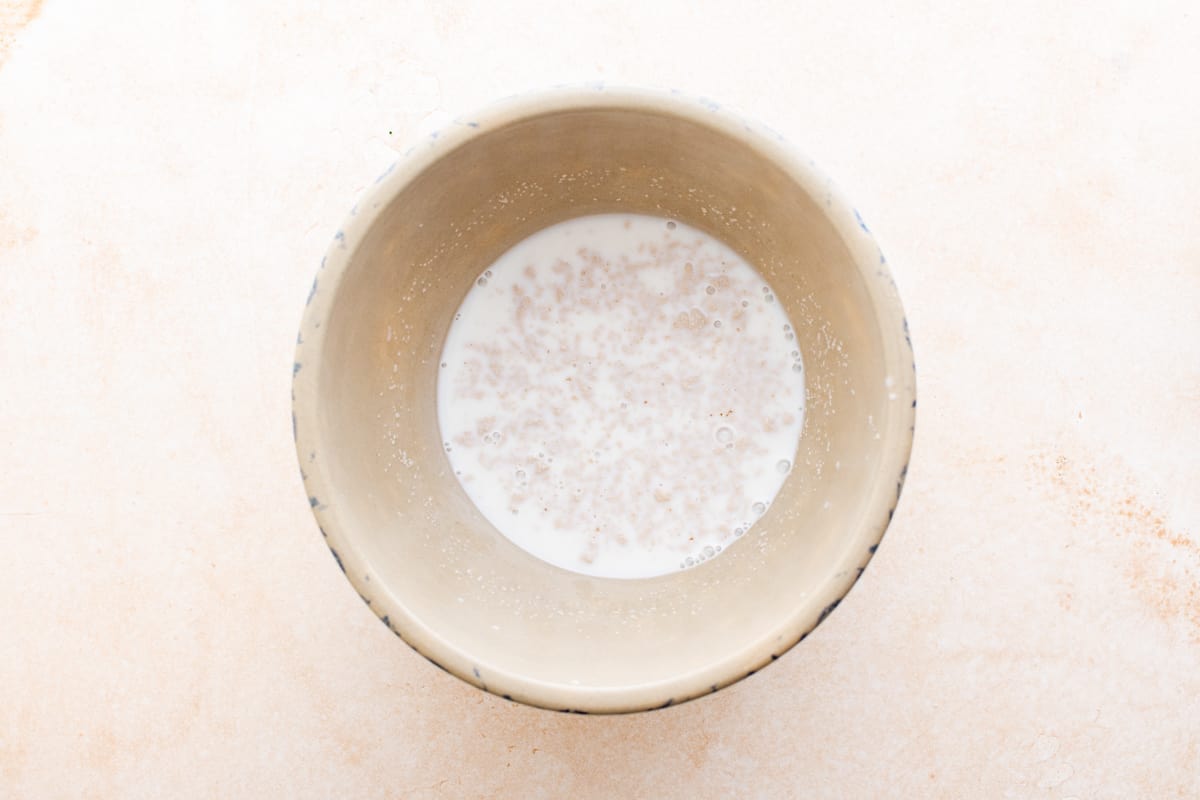
- Add the milk, ¼ cup of the sugar, and the yeast to a large bowl. Stir to combine. Let sit for 5 minutes, or until it starts to bubble.1¾ cups milk, ¾ cup granulated sugar, 1½ tablespoons instant yeast
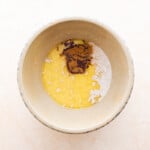
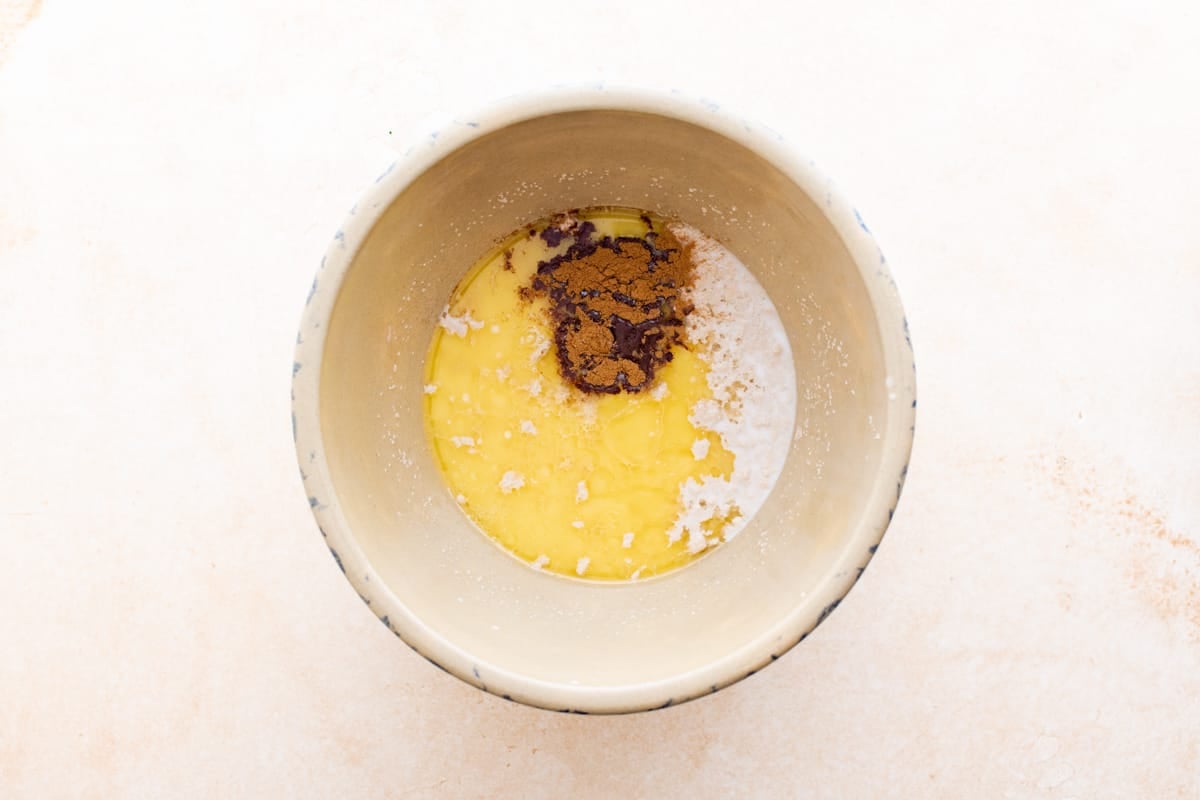
- Stir in the butter, 1 teaspoon of the cinnamon, and the salt to combine.6 tablespoons unsalted butter, 2 teaspoons ground cinnamon, ¼ teaspoon kosher salt
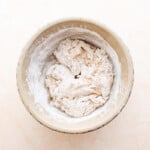
- Add 5 cups of the flour and stir until you can no longer. Turn the dough out onto a lightly floured surface.5½ cups all-purpose flour
- Knead the dough for 5 minutes, adding a light dust of flour when it becomes too sticky to handle, but don’t overdo it. You want the dough to be tacky but not sticky.
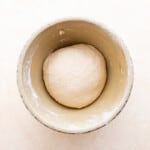
- Scrape out any flour bits from the bowl, spray with nonstick spray, and place the dough in the bowl. Cover and let sit for 1 hour, until doubled in size.

- Heat 2 inches of oil in a deep-frying pan over medium heat until it reaches 265°F.Vegetable oil
- In the meantime, divide the dough into 15 equal balls and roll each out into a roughly 7-inch round.
- Fry one disk at a time for 3-4 minutes, flipping the disk every 30-45 seconds to ensure even cooking.

- Let them cool on a plate with a paper towel to drain off any excess oil.
- Stir the remaining sugar and cinnamon together in a shallow bowl or a plate then dip each disk in the dough and lightly tap off the excess. Serve and enjoy!

Notes
- Measure your flour using the spoon-and-level method to avoid dense, dry pastries.
- Optionally add 1 tsp of vanilla extract to the dough for a sweeter flavor.
- If you try to roll the dough and it keeps shrinking back to a smaller circle, the gluten is too tight. Cover the dough balls with a damp cloth and let them rest for 10 minutes before rolling again.
- After rolling out the pastries, use a fork to prick the center of the dough several times. This helps steam escape, leading to a flatter surface and a more even shape.
- Only fry one pastry at a time! If you overcrowd your vegetable oil, the temperature will decrease, and you’ll end up with greasy, undercooked pastries.
- Let the pastries drain for about 15-20 seconds, then toss them in the sugar while the surface is still hot and slightly damp with oil.
- For a sweet elephant ear, drizzle on chocolate, caramel sauce, or maple syrup, or top with fresh fruit and whipped cream. For a savory take, top with pizza sauce and shredded cheese.
How to Make Elephant Ears Step-by-Step
Prep: Gather up all of the ingredients you need to make these elephant ears. Warm the milk to 110°F on the stovetop or in the microwave, and melt the butter in 10-second increments in the microwave until liquid, and let cool while you bloom the yeast.
Bloom the Yeast: Add 1¾ cups of warmed milk, ¼ cup of granulated sugar, and 1½ tablespoons of instant yeast to a large bowl. Stir to combine. Let this mixture sit for 5 minutes, or until it starts to bubble. If the yeast does not start to bubble, toss out the mixture and start again with new yeast.
Stir in the Butter: Stir in 6 tablespoons of melted and cooled unsalted butter, 1 teaspoon of ground cinnamon, and ¼ teaspoon of kosher salt to combine.
Mix in the Flour: Add 5 cups of all-purpose flour (spoon and level to prevent a dry dough) and stir with a wooden spoon until the dough becomes difficult to stir. Turn the dough out onto a lightly floured surface.
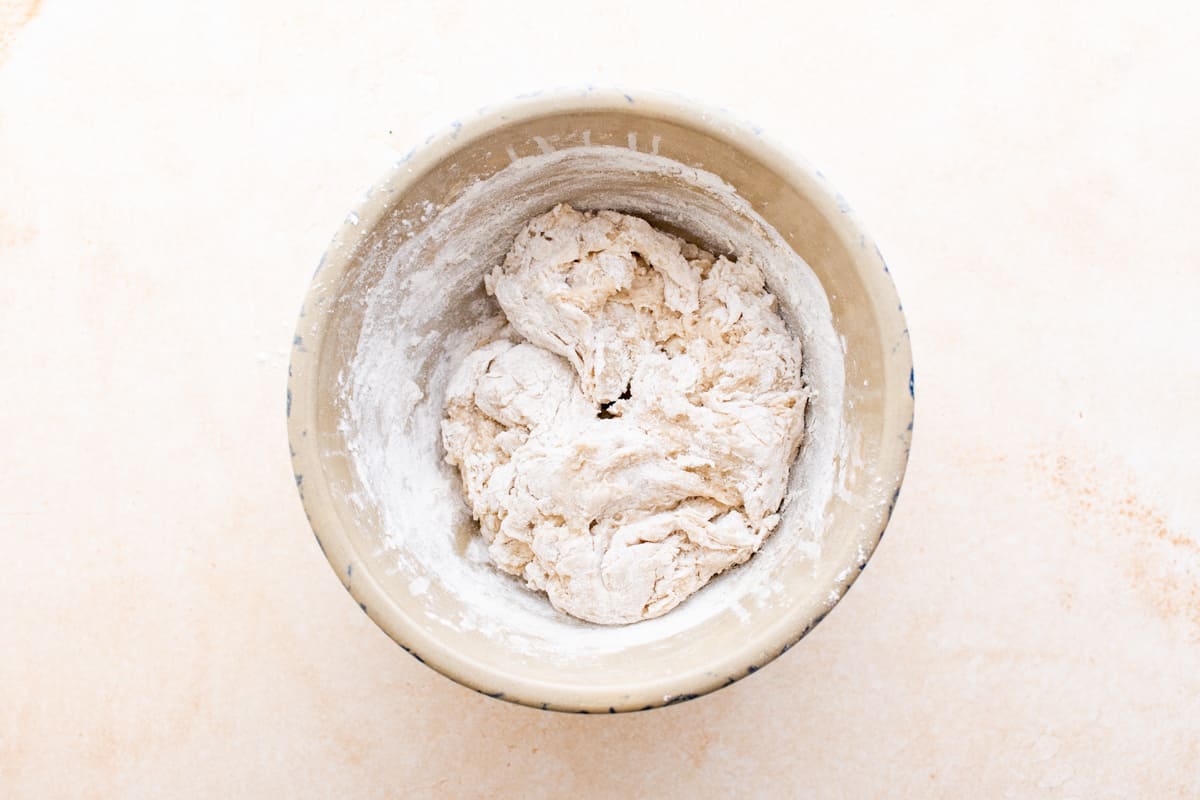
Knead the Dough: Knead the dough for 5 minutes, adding a light dusting of flour when it becomes too sticky to handle, but don’t overdo it. You want the dough to be tacky but not sticky. I did this step by hand, but you can also do it in a stand mixer if you prefer.
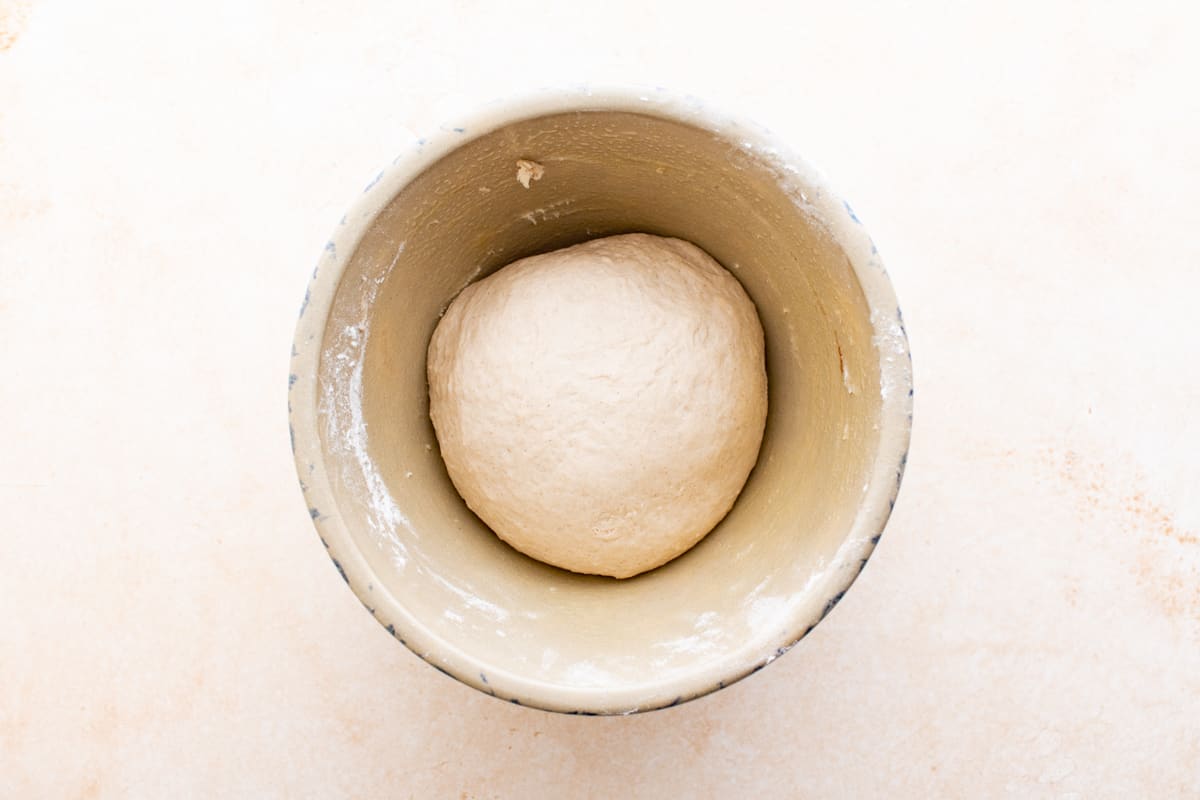
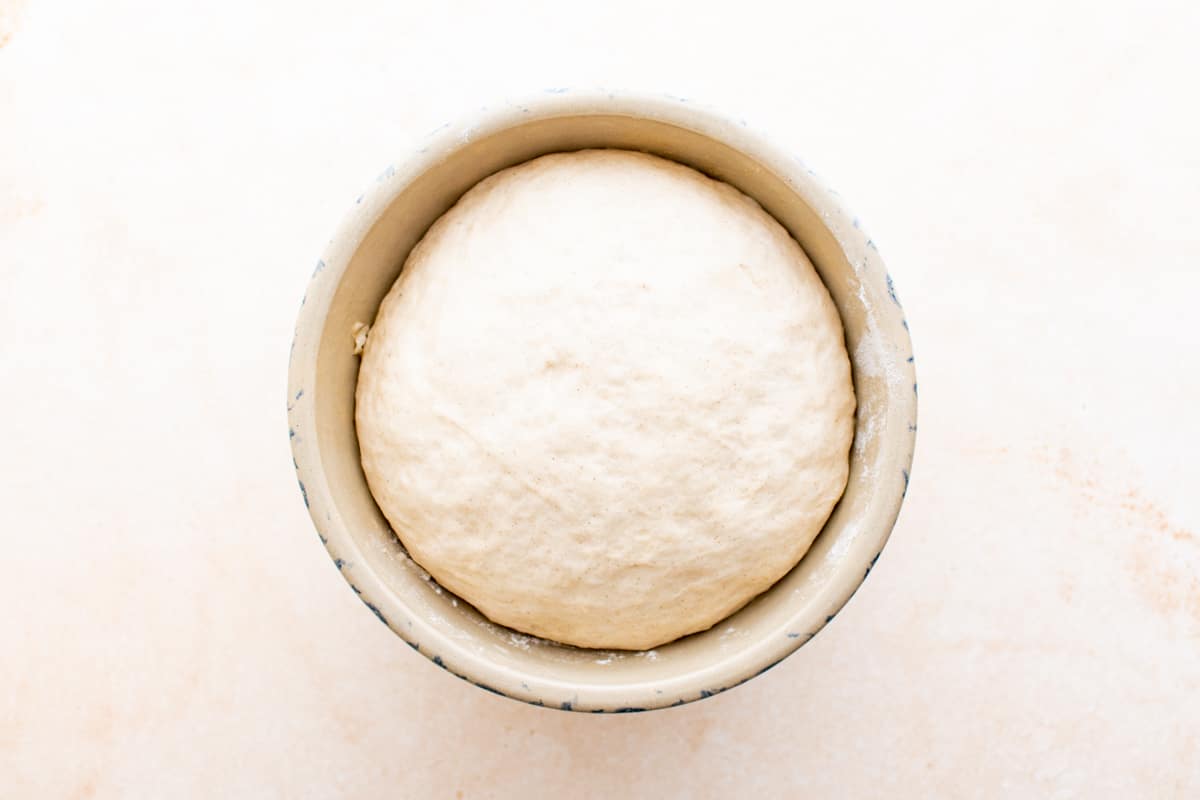
Proof the Dough: Scrape out any flour bits from the bowl, spray with nonstick spray, and place the dough back into the bowl. Cover with plastic wrap or a kitchen towel and let proof for 1 hour, or until doubled in size and puffy.
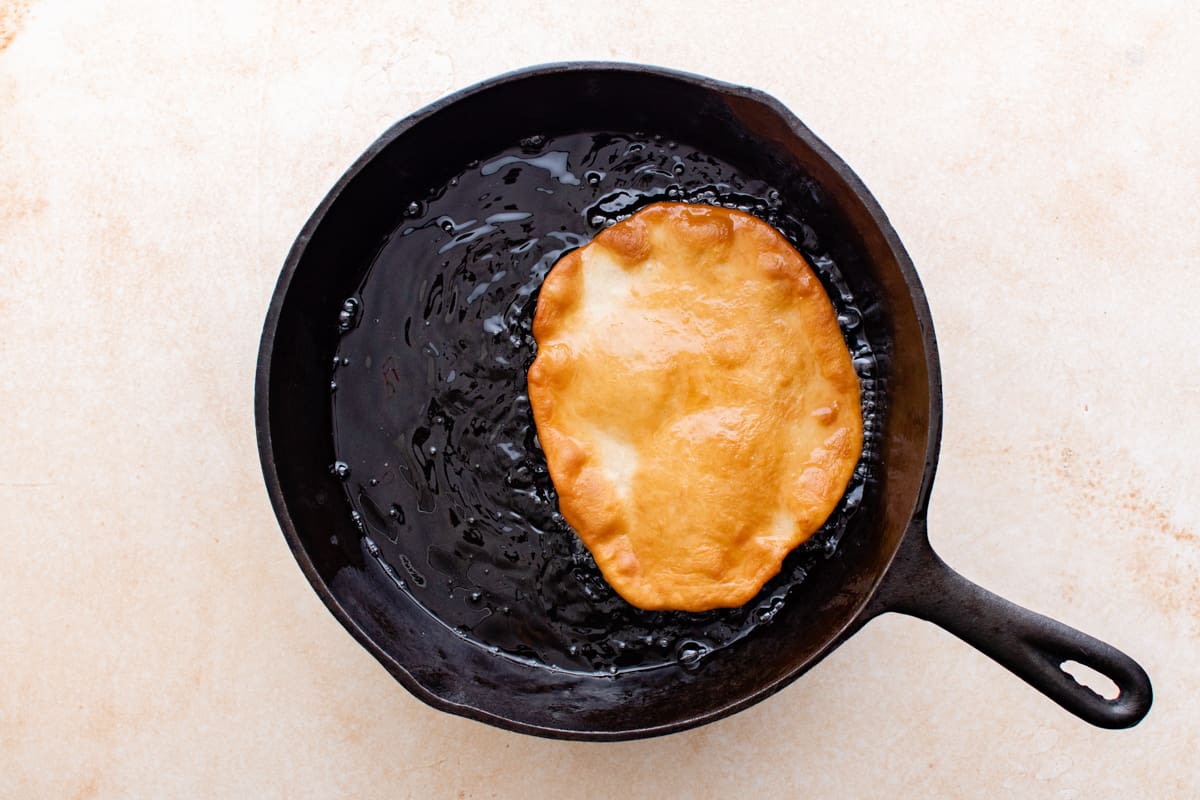
Fry the Pastries: Heat 2 inches of vegetable oil in a deep-frying pan set over medium heat until it reaches 265°F. Keep your thermometer in the oil; you may need to nudge the heat up slightly between batches to keep it at that 265°F sweet spot. In the meantime, divide the dough into 15 equal balls and roll each out into a roughly 7-inch round (about ¼-inch thick). If the dough keeps shrinking back, cover and let rest for 10 minutes before trying again. Fry one disk at a time for 3-4 minutes, flipping the disk every 30-45 seconds to ensure even cooking. If the pastries are puffing up too much, dock them a few times with a fork before frying to help steam escape.
Sugar the Pastries: Transfer your elephant ear pastries to a plate lined with a paper towel to drain off any excess oil for 15-20 seconds. Stir the remaining ½ cup of granulated sugar and 1 teaspoon of ground cinnamon together in a shallow bowl or a plate, then dip each disk in the sugar while still warm. Lightly tap off the excess before serving.
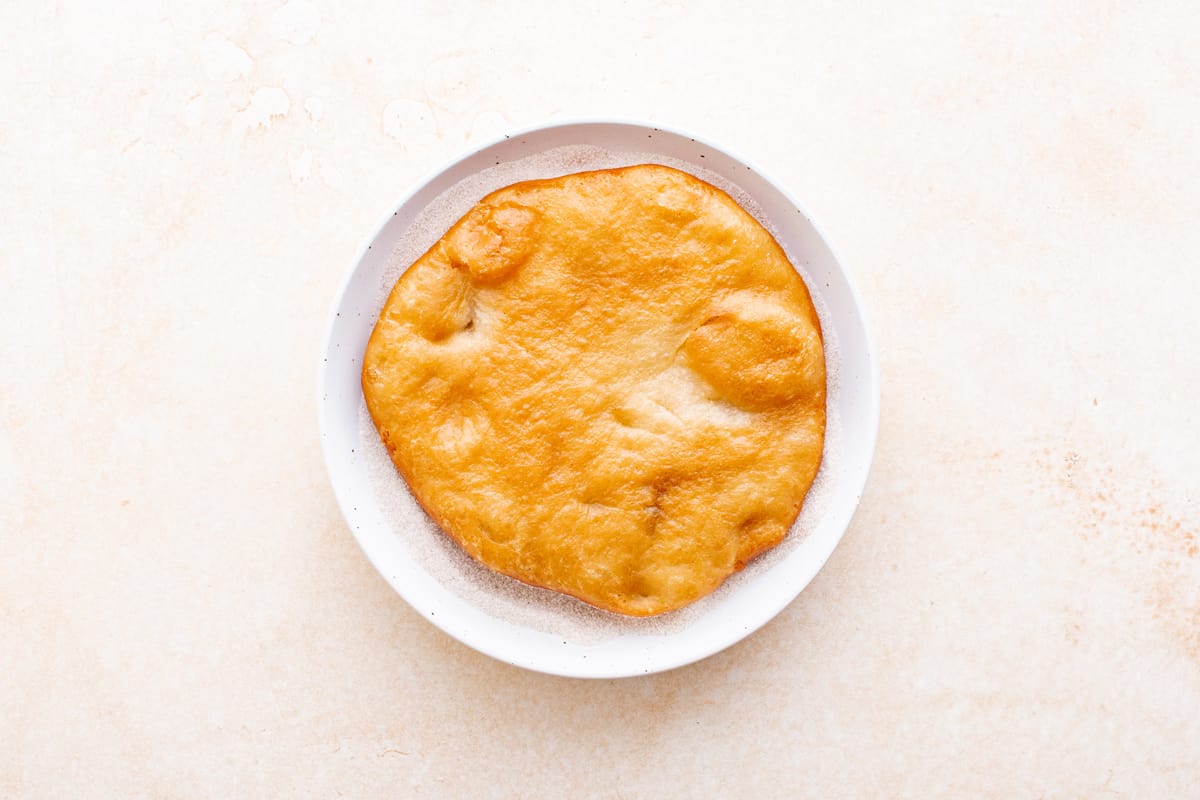
How to Store, Freeze, and Reheat
Store leftover fried elephant ears in an airtight container. They will stay fresh for up to 3 days or in the freezer for up to 3 months. You can easily reheat the pastries from the fridge or freezer in a 350°F oven for at least 5 minutes, or until they become light and crispy. Avoid the microwave! It will turn the crispy exterior tough and rubbery.



















Leave a Reply