


Learning how to make browned butter has been one of the most useful skills I’ve added to my baking repertoire. Brown butter has a warm, nutty flavor that adds so much depth to baked goods and savory dishes alike. It’s rich, aromatic, and turns ordinary recipes into something truly special. And the best part? You only need one ingredient!

Brown Butter Recipe
Ever since I tasted my first brown butter chocolate chip cookie, I’ve been hooked on browned butter. That subtle caramelized flavor takes everything up a notch, from cakes and cookies to pasta and veggies. Browning butter isn’t hard, but it does require a little attention. Once it starts to brown, it can go from golden to burnt fast. But with a watchful eye and a whisk, you’ll have liquid gold in minutes.
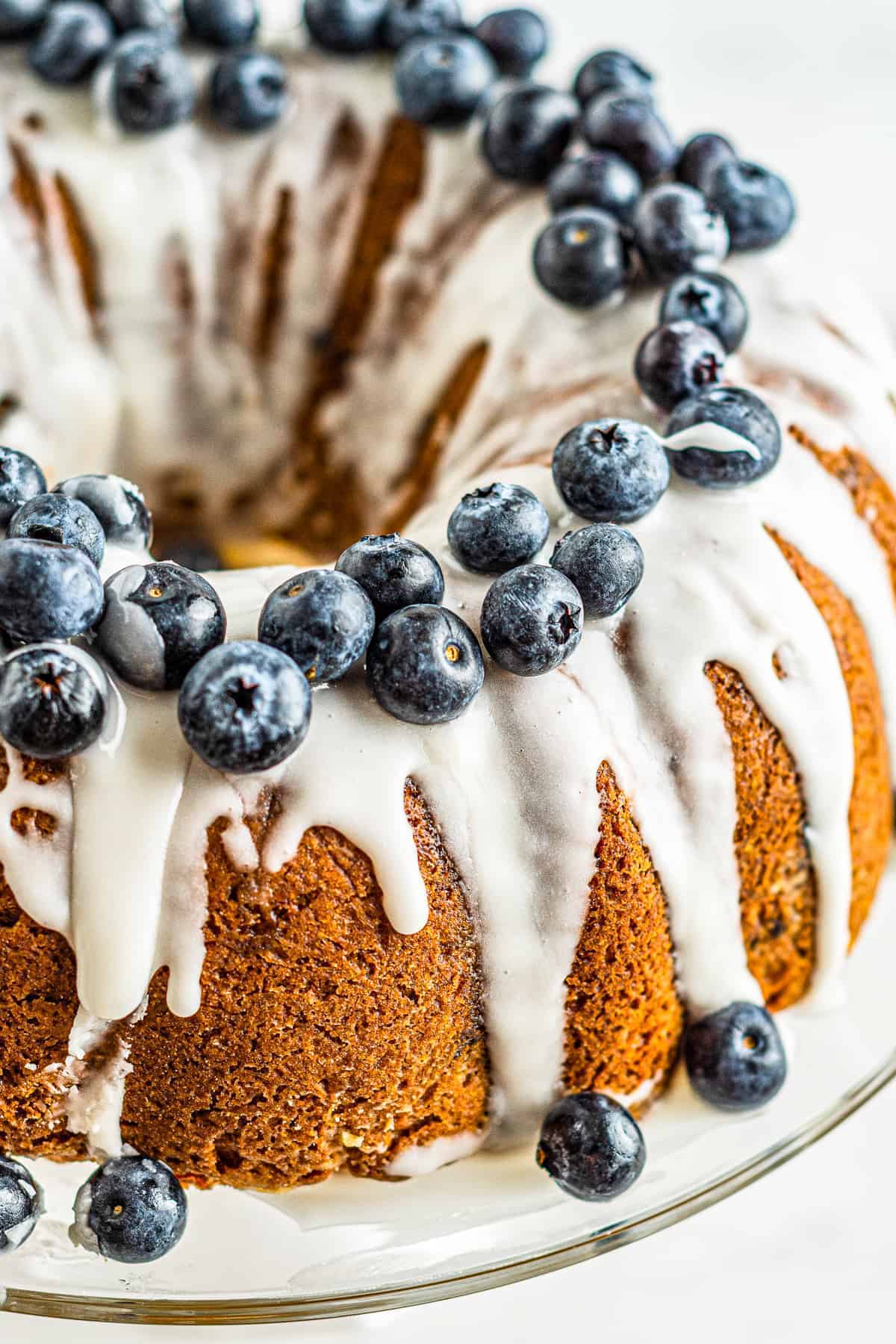
I use this rich, nutty, and versatile browned butter in my favorite brown butter bundt cake and brown butter spice cake!


Email this Recipe
Enter your email and we’ll send the recipe directly to you!
By submitting this form, you consent to receive emails from Easy Dessert Recipes.
Here’s What to Look (and Smell) For
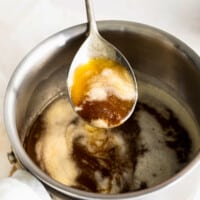
It’s super important to watch very carefully as the butter browns, as the whole process happens very quickly. You’ll know it’s done when the milk solids at the bottom are golden brown and the butter smells nutty, almost like toasted hazelnuts. Remove it right away–it keeps cooking even after it’s off the heat!

How to Make Browned Butter
Instructions
- Slice the butter into cubes and place it in a small skillet set over medium-high heat.½ cup unsalted butter

- Allow the butter to cook until it has fully melted, about 2 minutes.
- Whisk the butter constantly for another 2-3 minutes until it begins to smell nutty and turn golden brown. The butter will foam on top, but you’ll be able to see the color underneath as you whisk.
- As soon as the butter turns golden brown, remove it from the pan so it doesn’t burn.


Notes
- Slice the butter into cubes to start with, so that everything melts and browns evenly.
- Whisk/stir regularly and keep an eye on it to avoid burning.
- It’s done when the butter turns a golden brown. It will create a nutty aroma.
- Keep a bowl/container next to the stove so you can pour the butter into it as soon it browns (otherwise it will keep cooking and burn).
- You can use brown butter as a substitute for regular butter in lots of baked goods. Just add it into a recipe in the same form it calls for (chilled, softened, room temperature, etc.).
How to Brown Butter Step-by-Step
Slice the Butter: Slice ½ cup of unsalted butter into cubes and place it in a small skillet set over medium-high heat. You can skip slicing the butter first, but I have found it speeds up the process a bit and helps the final product brown more evenly.

Melt the Butter: Allow the butter to cook until it has fully melted, about 2 minutes. You’ll notice it starting to form bubbles. Keep it at a bubbling simmer, but try not to let it boil.

Whisk until Brown: Whisk the butter constantly for another 2-3 minutes until it begins to smell nutty and turn golden brown. The butter will foam on top, but you’ll be able to see the color underneath as you whisk. As soon as the butter turns golden brown, remove it from the pan so it doesn’t burn.

How to Store
However you store this golden brown butter, it will solidify (as butter does). So just melt, reheat it, or bring it to room temperature before using.
Refrigerator: Pour it into an airtight container and store it in the fridge for up to 10 days.
Freezer: Pour it into a freezer-safe container or bag and freeze for up to 3 months. Pouring it into an ice cube tray works great to create small portions you can melt and use as you need.
All in all, it shouldn’t take longer than 10 minutes to make a batch of browned butter. I highly recommend babysitting your pan the whole time, as things happen quickly!
Properly browned butter will be golden brown all over with little pieces of darker, nutty brown milk solids and a distinct nutty smell. If the milk solids look black, then they are burnt and you’ll need to start over.
Browning salted butter is more difficult since salted butter produces a lot more foam than unsalted butter. I have also found that it tastes much saltier in the end since a lot of the water content has evaporated.
While you definitely can brown vegan butter, success largely depends on the brand and individual ingredients. Check out this article on making vegan brown butter for the method and tips.











Leave a Reply